Why Airflow Matters Around Indoor Plants Without Creating Draft Stress
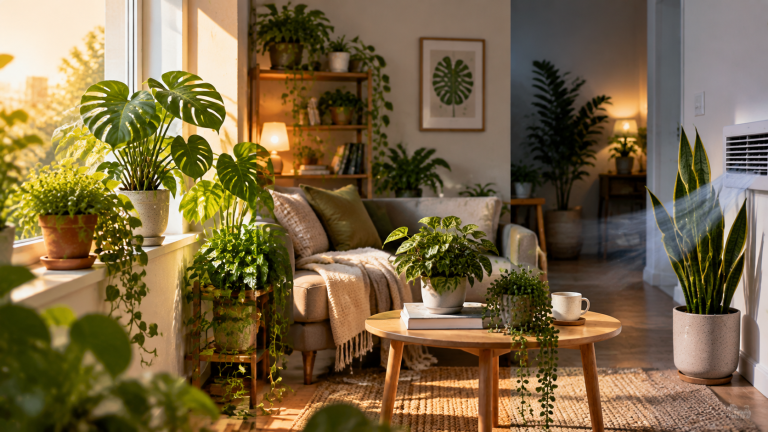
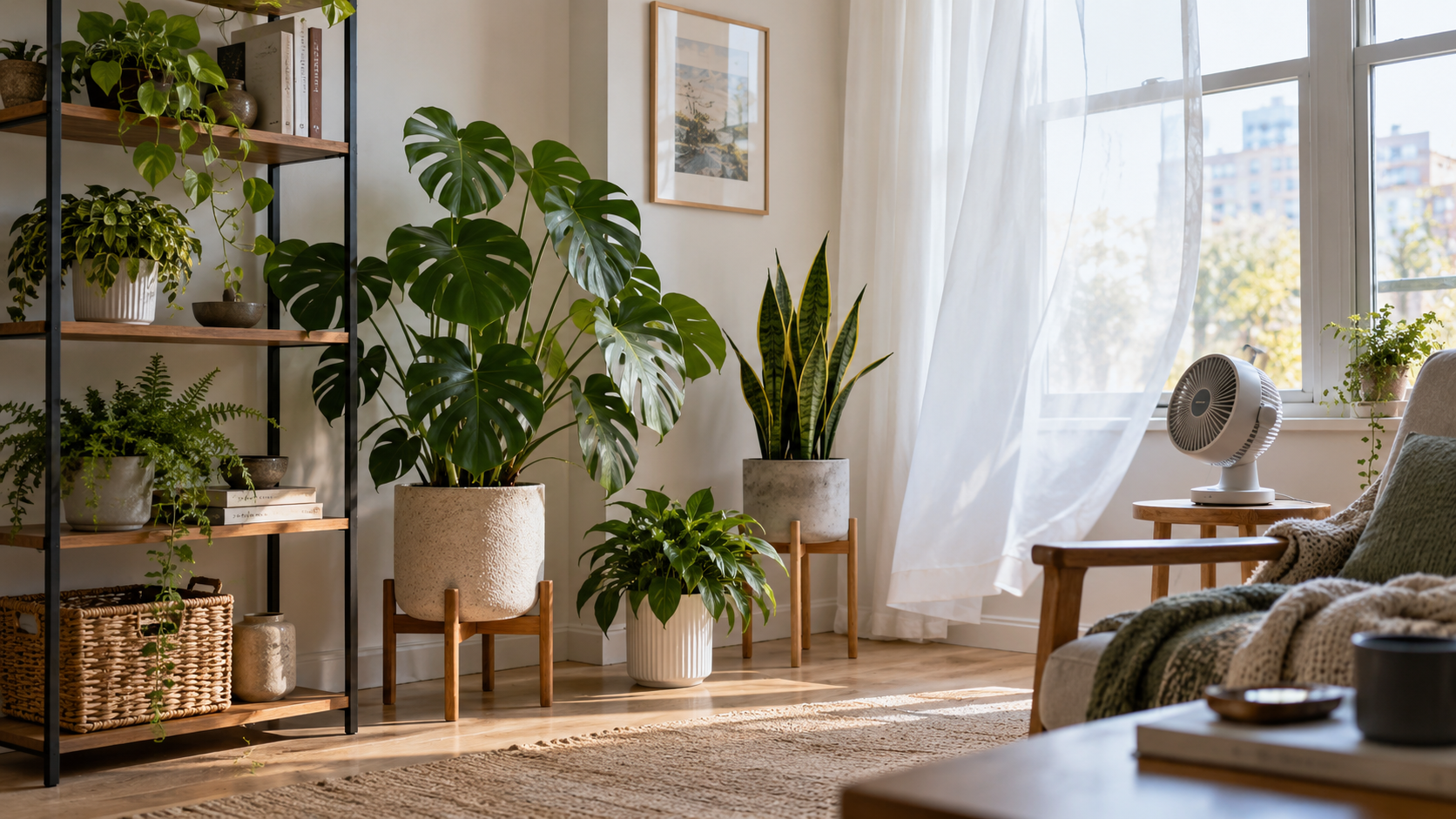
Instead of searching for one number or one schedule, it helps to understand the process that is shaping the plant’s response. For everyday care, understanding why airflow matters around indoor plants without creating draft stress is easier when you begin with factors that can actually be checked at home. The central principle is that gentle air movement helps moisture evaporate from leaves and pot surfaces, while strong hot or cold drafts can create a different kind of stress. That matters here because crowded plant groups, closed rooms, and corners behind furniture can have still air even when the rest of the home feels comfortable. Room labels such as bright, warm, or humid are only rough descriptions; the exact plant position often matters more. Indoor conditions are highly local: a plant beside a window, under a vent, or behind a curtain can experience a different environment from one only a short distance away. The aim of this article is to show which details are worth checking, how to make a proportionate adjustment, and what to watch afterward so the result can be evaluated.
The Room or Balcony Changes the Answer
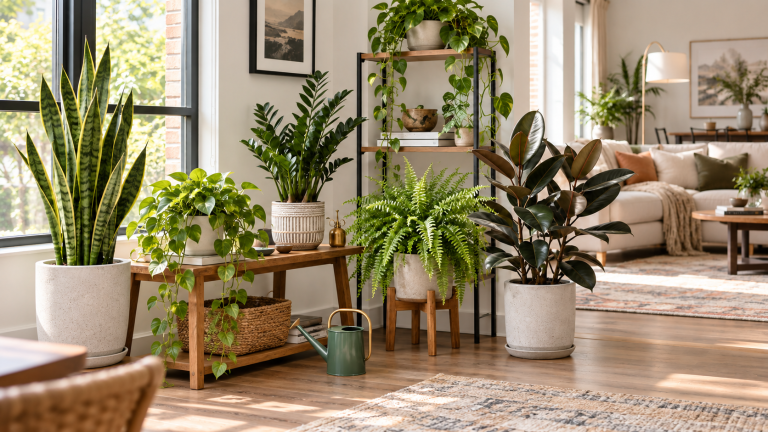
The method should fit the real space. Remember that crowded plant groups, closed rooms, and corners behind furniture can have still air even when the rest of the home feels comfortable. That single observation is often enough to explain why a routine that worked previously no longer gives the same result. Check what the plant experiences at leaf level and in the pot, not what the room feels like from the doorway. Windows, exterior walls, fans, air conditioners, radiators, reflective surfaces, and balcony railings can all create local differences. For this indoor gardening topic, to keep the next step grounded, cross-check this with How to Build a Healthy Indoor Plant Corner before assuming the most dramatic explanation is the correct one. For this indoor gardening topic, rechecking those local conditions is especially worthwhile when the season, heating, cooling, or sun angle changes.
Useful Signs to Compare
Start with a short inspection rather than a treatment. The most useful clues here are leaves staying wet for long periods, slow soil drying, condensation, crowded foliage, nearby vents, and repeated damage on the side facing a draft. None of them needs to be perfect on its own; the goal is to see whether several indicators point in the same direction. The goal is not to collect every possible measurement; it is to gather enough consistent evidence to choose a reasonable next step. In this particular care decision, the plant’s newest leaves or shoots are especially valuable because they developed under the most recent conditions. The purpose of the check is to build enough agreement between clues that the next step is defensible and easy to evaluate.
Why This Pattern Develops
Before choosing a tool, product, or schedule, remember that Gentle air movement helps moisture evaporate from leaves and pot surfaces, while strong hot or cold drafts can create a different kind of stress. This changes the question from “What should I always do?” to “What do these conditions suggest today?” A clear mechanism also makes later troubleshooting faster because you know which variables are capable of producing the pattern you are seeing. It also explains why two plants with similar symptoms may need different responses when their root zones or environments are not alike. Room aesthetics matter, but the arrangement stays more straightforward to maintain when access and environmental needs are built into the layout from the beginning. Once this relationship is clear, the rest of the care decision becomes easier to keep proportionate.
A Measured Way to Move Forward
Once the evidence is reasonably consistent, use this decision rule: Improve room circulation gradually and avoid placing sensitive plants directly in the path of heating or cooling air. Keep the change focused enough that you can judge it later, and avoid adding unrelated treatments at the same time. If the step involves a product, use the label rather than increasing concentration or frequency in an attempt to speed up what happens afterward. A small correction also reduces the chance that the plant has to adapt to several new stresses at that same time. A small digital thermometer-hygrometer can be useful for spotting patterns, but plant response still matters more than chasing one perfect number. After that step, return to observation and resist the urge to improve several other things at a similar time.
Trace the Change Back to Its Context
If two causes look similar, timing can help separate them. Ask what changed first, how long the plant was exposed to that condition, and whether the symptoms are continuing or merely showing old damage. This step is particularly useful when a symptom has several common explanations that look similar at first glance. A short history can also reveal whether the plant has experienced the identical pattern before under similar seasonal conditions. Human eyes adapt quickly to indoor brightness, which is one reason direct observation of plant growth and leaf orientation is often more useful than room impressions. For a second checkpoint, use Grow Lights for Houseplants to compare the plant’s response with a care factor that has already been discussed on RootLuma. The clearer the sequence, the less likely you are to mistake the effect of a recent change for a separate new problem.
Common Shortcuts That Create New Problems
Several well-intentioned responses can backfire: pointing a strong fan continuously at leaves, confusing airflow with low humidity, and packing pots together so tightly that air cannot move between them. A better approach is to correct the clearest problem and leave unrelated factors stable long enough to evaluate the result. More water, more light, more fertilizer, or more humidity are not automatically improvements; each can become a stress when the plant does not need it. A decorative container or stand should never prevent you from seeing drainage, checking roots, or reaching the plant safely. Human eyes adapt quickly to indoor brightness, which is one reason direct observation of plant growth and leaf orientation is often more useful than room impressions. Good troubleshooting protects the clarity of the next observation as much as it protects the plant.
Give the Plant Time to Answer
The plant’s next response is part of the diagnosis. Over the following checks, look for a slower rate of decline, normal drying or growth patterns, and fewer new symptoms rather than judging success by one old leaf. The speed of change matters: a problem that stops spreading is different from one that continues appearing on fresh tissue. For root-zone issues, a return to more predictable drying and stable posture can be an encouraging sign even before new leaves appear. Room labels such as bright, warm, or humid are only rough descriptions; the exact plant position often matters more. Human eyes adapt quickly to indoor brightness, which is one reason direct observation of plant growth and leaf orientation is often can be more informative than room impressions. For the setup described here, use the direction of the trend to decide whether to continue, refine, or reconsider the original approach.
Create a Baseline You Can Reuse
Turn the lesson into a simple maintenance rhythm: leave practical gaps between plants and notice how quickly leaves and soil surfaces dry after watering or cleaning. When the same few checks are repeated, changes become easier to notice and you spend less time relearning what is normal for that plant or space. Seasonal review is useful because daylight, indoor heating, balcony exposure, and growth rate can change gradually. The routine is successful when it becomes easier to notice unusual changes without spending more time on the collection. Room aesthetics matter, but the arrangement stays less difficult to maintain when access and environmental needs are built into the layout from the beginning. For more context on the underlying care factor, read How to Rotate Indoor Plants for More Even Growth and Better Light before adding another adjustment. The system should become easier to maintain over the next checks, not more complicated with every new lesson.
The Bottom Line
The main lesson is to keep the decision connected to evidence. gentle air movement helps moisture evaporate from leaves and pot surfaces, while strong hot or cold drafts can create a different kind of stress. Use the most relevant observations, consider the environment, and make one change that can be evaluated later. That approach is slower than reacting to every symptom, but it produces a clearer baseline and usually prevents unnecessary stress. That mindset makes future problems less intimidating because you already have a process for deciding what deserves attention first. You do not need perfect control; you need enough consistency to see cause and effect clearly. A practical indoor setup should support the plant without making watering, cleaning, inspection, or normal use of the room unnecessarily difficult. That process keeps everyday care practical, adaptable, and less difficult to trust.