Grouping Houseplants Indoors: Benefits, Tradeoffs, and Better Spacing
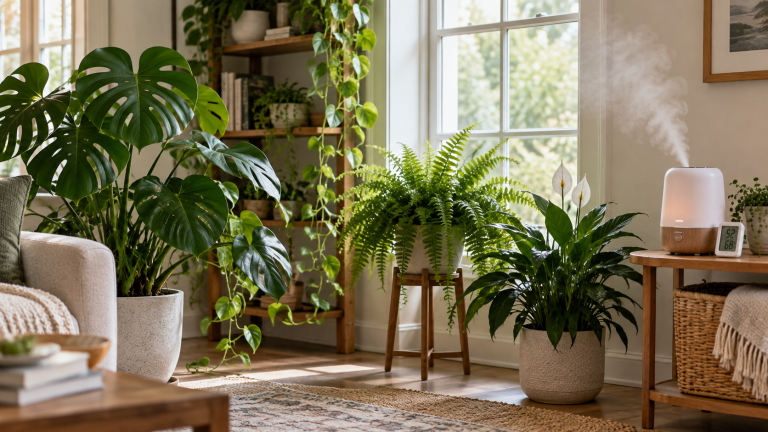
Instead of searching for one number or one schedule, it helps to understand the process that is shaping the plant’s response. For everyday care, the topic of grouping houseplants indoors is best approached through factors that can actually be checked at home. The central principle is that grouping plants can create a strong visual display and slightly modify the immediate environment, but dense clusters can also hide problems and block light. That matters here because plants in the center of a group may receive less light and be harder to inspect or water than those on the outside. Room labels such as bright, warm, or humid are only rough descriptions; the exact plant position often matters more. Room aesthetics matter, but the arrangement stays easier to maintain when access and environmental needs are built into the layout from the beginning. The goal is a calmer method: understand the likely process, check the strongest clues, make one change, and let the next trend provide feedback.
Light, Heat, Airflow, and Containers Still Matter
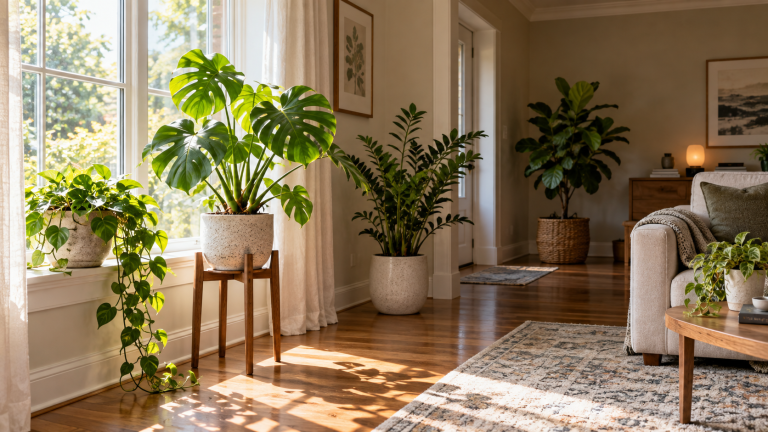
Environmental context helps explain why two similar plants can respond differently. Here, plants in the center of a group may receive less light and be harder to inspect or water than those on the outside. Check the actual position of the leaves and root zone rather than relying on broad labels such as bright room, warm corner, or sheltered balcony. Environmental context is why copying another person’s schedule can fail even when the species is that same. In compact spaces, the safest and healthiest arrangement is usually the one that preserves both plant needs and human access. Room labels such as bright, warm, or humid are only rough descriptions; the exact plant position often matters more. A practical indoor setup should support the plant without making watering, cleaning, inspection, or normal use of the room unnecessarily difficult. Rechecking those local conditions is especially worthwhile when the season, heating, cooling, or sun angle changes.
Why This Pattern Develops
The underlying process can be summarized this way: Grouping plants can create a strong visual display and slightly modify the immediate environment, but dense clusters can also hide problems and block light. Understanding that mechanism keeps the rest of the advice from turning into a list of disconnected instructions. Thinking in causes and responses helps prevent a cosmetic symptom from becoming the reason for an unnecessary overhaul. It keeps the article focused on decisions you can make at home without pretending that every plant behaves identically. Seasonal daylight, heating, cooling, and furniture changes can alter a plant’s microclimate even when the pot never moves. Room labels such as bright, warm, or humid are only rough descriptions; the exact plant position often matters more. Once this relationship is clear, the rest of the care decision becomes easier to keep proportionate.
Use the Plant’s Recent Normal as a Reference
Before changing care, collect a small set of observations: leaf overlap, blocked windows, damp surfaces, inaccessible saucers, hidden pests, uneven growth, and whether plants with similar needs are placed together. These are valuable because they can be checked again later, making the next decision less dependent on memory or guesswork. When the issue involves the root zone, combine what you see above the soil with information about moisture, drainage, and pot weight. A single damaged leaf can be informative, but a repeated pattern across several leaves, stems, or pots usually deserves more attention. A connected part of this decision is covered in Temperature Swings Indoors, which can help you compare the current pattern with another common care issue. The purpose of the check is to build enough agreement between clues that the following step is defensible and easy to evaluate.
The Sequence of Events Matters
If two causes look similar, timing can help separate them. Ask what changed first, how long the plant was exposed to that condition, and whether the symptoms are continuing or merely showing old damage. Moving a plant, repotting it, changing a curtain, starting a heater, or adding fertilizer can all alter conditions without looking dramatic on the first day. A short history can also reveal whether the plant has experienced that same pattern before under similar seasonal conditions. Good indoor placement balances plant needs with practical access so routine care does not require constant rearranging. This is also where How to Arrange Houseplants Indoors Without Crowding Them can help, because it addresses a related decision that is easy to misread in isolation. This makes timing a practical filter in place of a guess about cause.
Turn the Evidence Into One Clear Decision
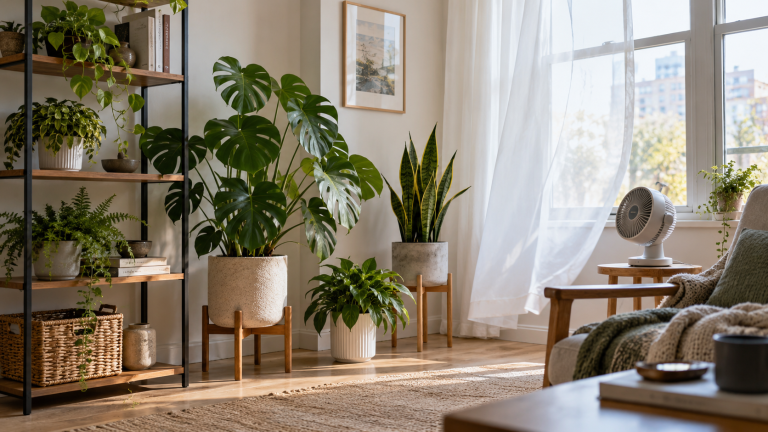
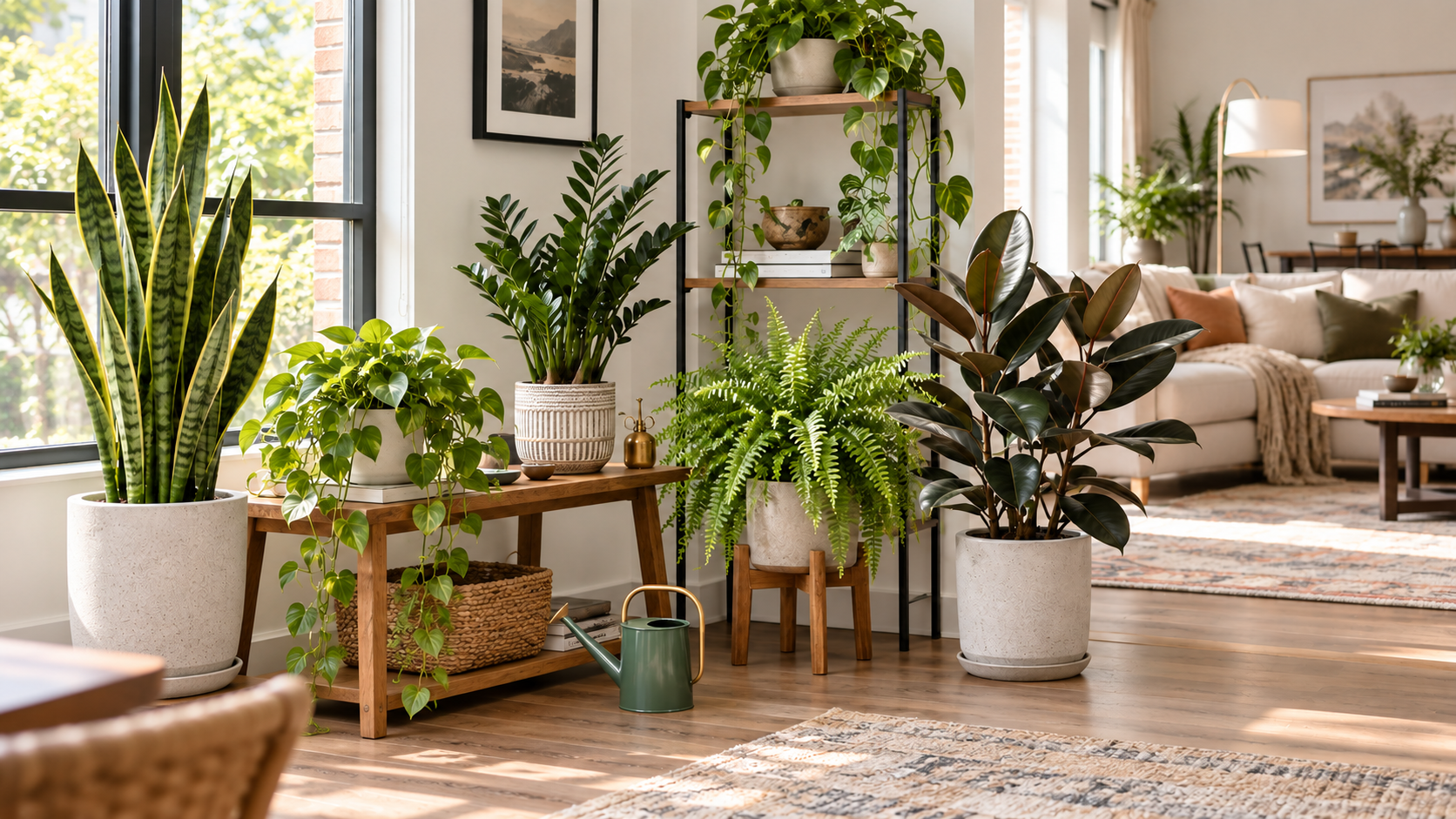
When you are ready to act, keep the intervention proportionate: Group by compatible conditions first, then leave enough space to reach each pot and inspect foliage without dismantling the whole display. Small, evidence-based changes are easier to reverse, repeat, or refine than a complete care overhaul. Avoid repeating a similar intervention too quickly because plants often need time before a useful response becomes visible. When conditions are already close to suitable, restraint can be more useful than adding another product, tool, or care task. In this particular care decision, a practical indoor setup should support the plant without making watering, cleaning, inspection, or normal use of the room unnecessarily difficult. Good indoor placement balances plant needs with practical access so routine care does not require constant rearranging. After that step, return to observation and resist the urge to improve several other things all at once.
Overcorrections That Hide the Original Cause
Several well-intentioned responses can backfire: grouping solely by pot color, crowding different watering needs together, and assuming grouping replaces a humidifier in very dry conditions. A better approach is to correct the clearest problem and leave unrelated factors stable long enough to evaluate the result. In this particular care decision, switching between remedies too quickly can produce a confusing mix of responses that is harder to interpret than the original problem. The purpose of caution is not inaction; it is to prevent a second problem from being created by an unverified fix. Room labels such as bright, warm, or humid are only rough descriptions; the exact plant position often matters more. Good troubleshooting protects the clarity of the next observation as much as it protects the plant.
Use the Next Two Checks as Feedback
Measure improvement with repeatable observations. Compare photos, pot condition, new growth, leaf firmness, or other relevant signs at similar times rather than checking constantly and reacting to small day-to-day fluctuations. A photo taken from the identical position once a week can make slow improvement much easier to recognize. The goal of monitoring is to answer whether the underlying pattern is improving, not to inspect the plant so often that normal daily movement becomes alarming. Room labels such as bright, warm, or humid are only rough descriptions; the exact plant position often matters more. Seasonal daylight, heating, cooling, and furniture changes can alter a plant’s microclimate even when the pot never moves. When you need to check the broader setup, How to Rotate Indoor Plants for More Even Growth and Better Light gives a useful companion framework. That is a more reliable measure of success than expecting old damage to disappear.
How to Keep the System Manageable
A manageable routine can be built around one repeatable habit: rotate which plants occupy the brightest edges and open the grouping occasionally for cleaning and pest checks. The value comes from comparing the same indicators over time, not from adding more tasks to the calendar. Grouping similar tasks can save time, but grouping every plant under a similar watering or feeding schedule usually creates problems. Keep tools where they are easy to use so inspection does not become a chore that gets postponed until symptoms are obvious. Good indoor placement balances plant needs with practical access so routine care does not require constant rearranging. For this indoor gardening topic, seasonal daylight, heating, cooling, and furniture changes can alter a plant’s microclimate even when the pot never moves. a repeatable routine built this way stays useful even when the plant’s growth rate or the room conditions change.
The Bottom Line
Bring the process back to one idea: grouping plants can create a strong visual display and slightly modify the immediate environment, but dense clusters can also hide problems and block light. Observe first, rank the likely causes, make a proportionate change, and watch the trend. That sequence keeps everyday plant care understandable even when the exact answer differs from one home to another. You do not need perfect control; you need enough consistency to see cause and effect clearly. That balance—steady basics, specific observations, and measured adjustments—is what turns general advice into useful everyday care. Good indoor placement balances plant needs with practical access so routine care does not require constant rearranging. That process keeps everyday care practical, adaptable, and easier to trust.