Indoor Plant Microclimates: How Different Corners of One Room Can Behave Differently
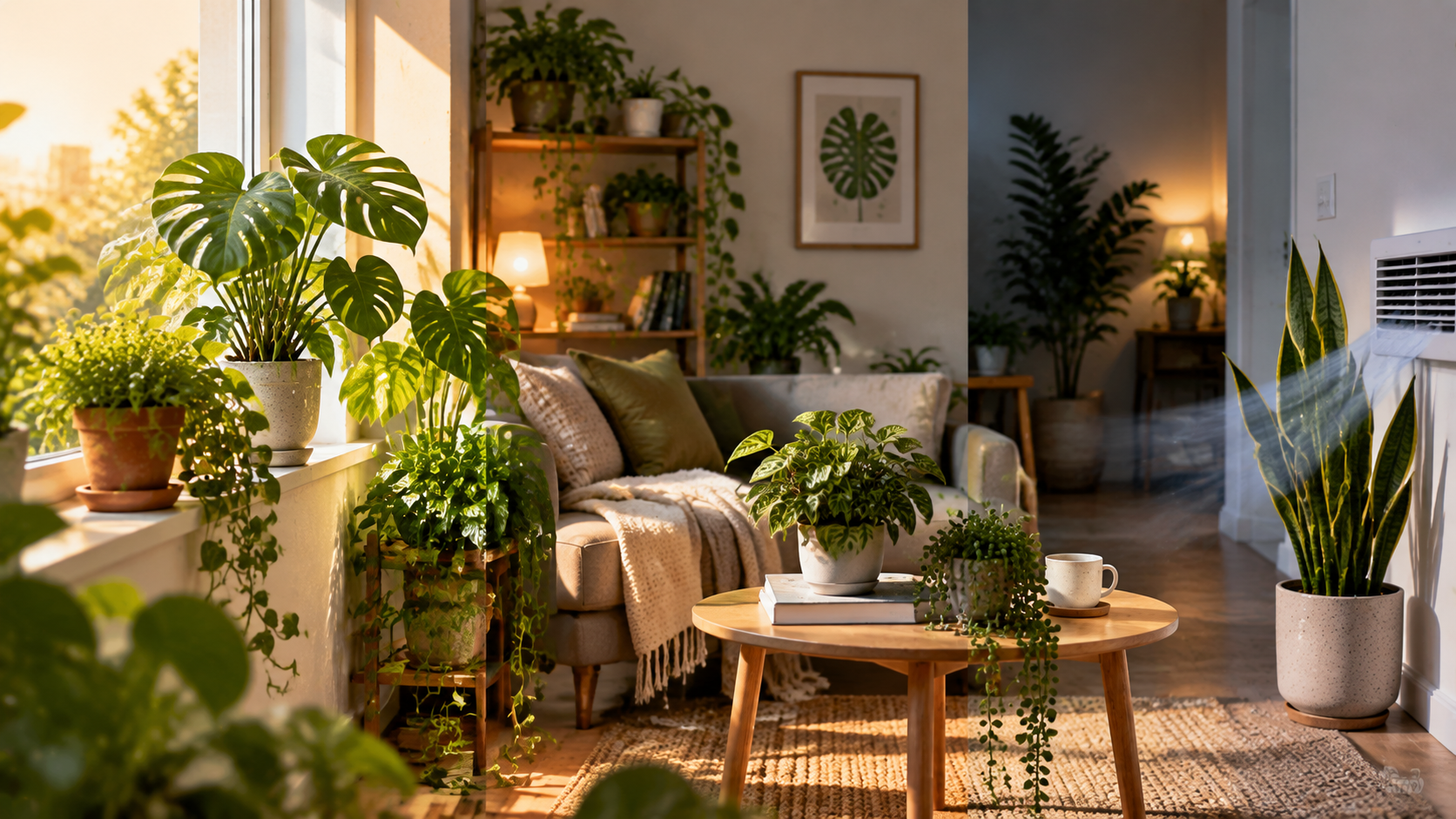
Good indoor gardening is usually less about perfect routines and more about noticing how a plant responds to a specific place. This guide focuses on the topic of indoor plant microclimates, with an emphasis on observations that can be made in an ordinary home rather than an ideal greenhouse setup. The central principle is that a single room can contain several microclimates because light, heat, airflow, and humidity vary over surprisingly short distances. That matters here because the corner beside a sunny window can be warmer and brighter than a shelf two meters away, while a vent can create a dry moving-air zone nearby. In a limited footprint, access is part of design: every pot still needs to be reached for watering, inspection, and cleanup. Seasonal daylight, heating, cooling, and furniture changes can alter a plant’s microclimate even when the pot never moves. By the end, you should have a simple decision process that can be used again when the same specimen or growing area changes with the season.
What the Plant Is Responding To
The biology and the environment meet at one central idea: A single room can contain several microclimates because light, heat, airflow, and humidity vary over surprisingly short distances. If that relationship is missed, it is easy to respond to the appearance of the problem without addressing what is actually driving it. The point is not to turn everyday care into a science experiment, but to use enough cause-and-effect reasoning to avoid random changes. That distinction matters because a symptom can be real while the first explanation for it is still wrong. Humidity, temperature, and airflow interact, so changing one factor can alter drying time and leaf comfort during that same adjustment. Once this relationship is clear, the rest of the care decision becomes easier to keep proportionate.
The Same Plant Can Behave Differently a Few Feet Away
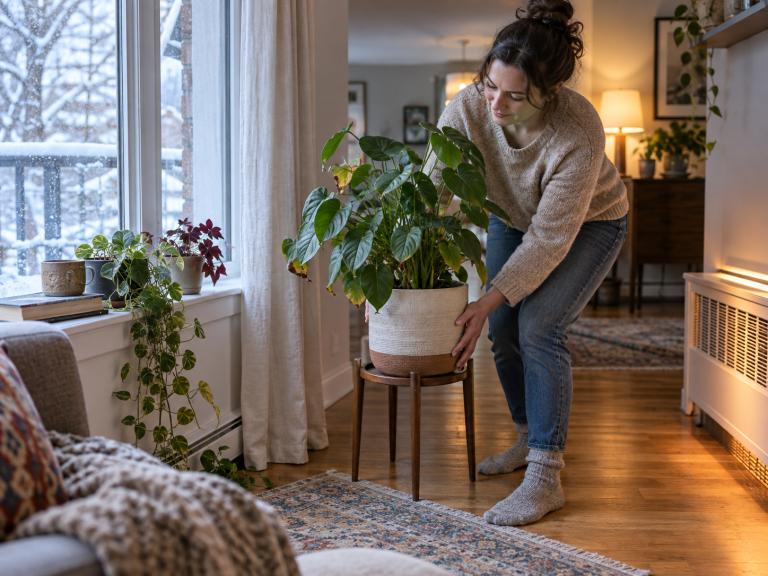
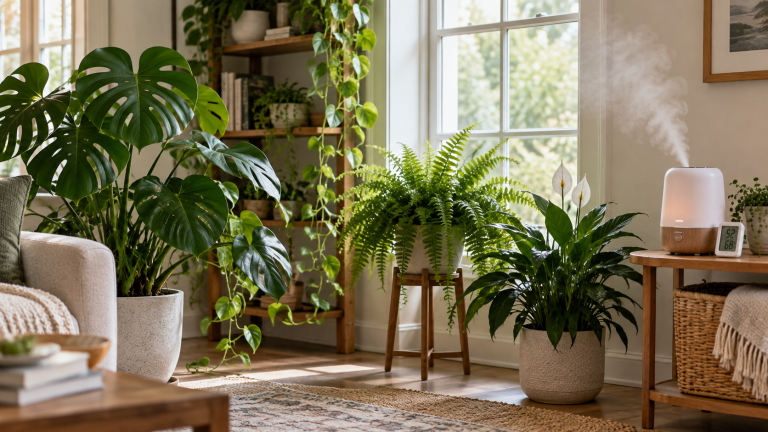
The surrounding space can amplify or soften the issue because the corner beside a sunny window can be warmer and brighter than a shelf two meters away, while a vent can create a dry moving-air zone nearby. A decision that ignores those local conditions may solve one problem while creating another. In this particular care decision, revisit placement after seasonal changes instead of assuming a successful summer location will behave the same way all year. In compact spaces, the safest and healthiest arrangement is usually the one that preserves both plant needs and human access. For the setup described here, good indoor placement balances plant needs with practical access so routine care does not require constant rearranging. That context helps explain why care needs can shift even when the plant itself has not moved.
The First Five Minutes of Inspection
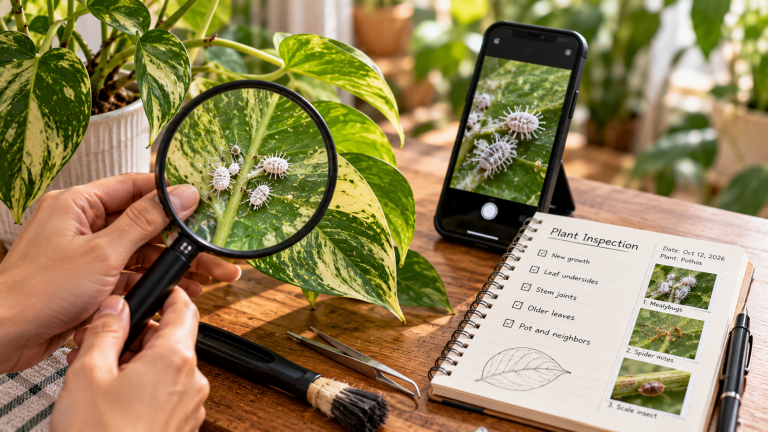
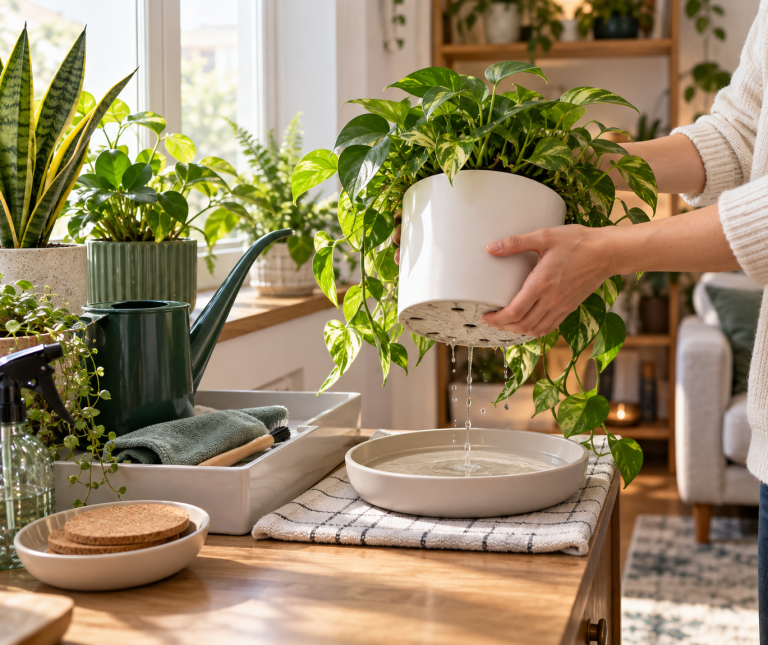
The first five minutes should be spent looking, touching, and comparing rather than fixing. Pay attention to temperature differences, condensation, drying time, shadow strength, air movement, proximity to exterior walls, and repeated symptoms on one side of a plant. A pattern that persists across checks deserves more weight than something that appeared once. When the issue involves placement, compare leaf orientation and growth with the actual light path in place of with the room’s general brightness. When the issue involves the root zone, combine what you see above the soil with information about moisture, drainage, and pot weight. Room aesthetics matter, but the arrangement stays easier to maintain when access and environmental needs are built into the layout from the beginning. Good indoor placement balances plant needs with practical access so routine care does not require constant rearranging. A consistent inspection gives you a baseline that becomes more valuable each time it is repeated.
A Practical Next Step
When you are ready to act, keep the intervention proportionate: Treat plant placement as a spot-by-spot decision and use microclimates to match different plants with conditions they tolerate well. Small, evidence-based changes are easier to reverse, repeat, or refine than a complete care overhaul. Write down the change if you are likely to forget it; the next observation is more meaningful when you know exactly what was altered. If the step involves moving the plant, change the exposure gradually when a sudden jump in light, heat, or airflow could add stress. Another helpful reference is How to Build a Healthy Indoor Plant Corner, especially when the symptoms overlap and one visible sign could have several causes. A focused change is less difficult to evaluate and usually easier on a plant that is already adapting.
What Happened Before the Pattern Appeared
The sequence of events is often more informative than the severity of one symptom. Review what changed before the pattern appeared, including care routines, placement, room climate, and any recent disturbance. This does not prove a cause, but it helps you rank explanations instead of treating every possibility as equally likely. Even a simple calendar note can help you avoid repeating an action because you cannot remember when it was last done. Moving a plant, repotting it, changing a curtain, starting a heater, or adding fertilizer can all alter conditions without looking dramatic on the first day. A practical indoor setup should support the plant without making watering, cleaning, inspection, or normal use of the room unnecessarily difficult. Indoor climate is uneven: glass, vents, exterior walls, appliances, and sun patches can create different conditions within a similar room. Treat the timeline as supporting evidence, then compare it with what the plant is showing now.
Where Good Intentions Go Wrong
The most common mistakes are assuming one humidity reading describes the whole room, lining plants along a shelf with very uneven light, and ignoring cold exterior walls. These responses usually come from trying to make the plant look better immediately, but they can hide the original cause or create a second problem before the first one is understood. Switching between remedies too quickly can produce a confusing mix of responses that is harder to interpret than the original problem. In this particular care decision, do not confuse frequency with quality: repeating a weak or inappropriate action more often rarely turns it into the right solution. Good troubleshooting protects the clarity of the next comparison as much as it protects the plant.
How to Read the Response After a Change
The next two or three checks usually tell you more than an immediate visual inspection. Stability, predictable care needs, and healthy new development are stronger evidence than the disappearance of damage that has already occurred. New growth is particularly useful because it reflects conditions after the adjustment rather than before it. For compact gardens, easier access and more consistent watering can be signs that the layout itself is working better. For the setup described here, a practical indoor setup should support the plant without making watering, cleaning, inspection, or normal use of the room unnecessarily difficult. When you need to check the broader setup, How to Use a Humidifier Around Houseplants Without Making the Room Too Damp gives a useful companion framework. For the setup described here, that is a more reliable measure of success than expecting old damage to disappear.
Keep Future Checks Simple
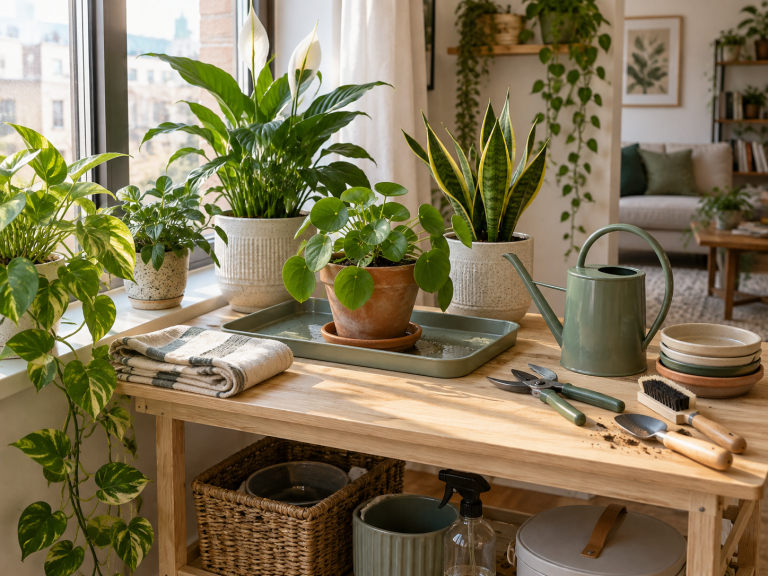
For future care, compare a few repeat locations in the room and note which plants consistently perform best in each one. Keep the routine short enough to repeat consistently and use it as a checkpoint rather than an automatic instruction to water, feed, move, or prune. A simple weekly look can include moisture, new growth, leaf undersides, stability, drainage, and changes in the surrounding space. For this indoor gardening topic, keep tools where they are easy to use so inspection does not become a chore that gets postponed until symptoms are obvious. Weight, runoff, wind exposure, and the path people use through the space are practical constraints, not decorative details. For the setup described here, when you need to check the broader setup, Indoor Plant Placement by Room gives a useful companion framework. a simple routine built this way stays useful even when the plant’s growth rate or the room conditions change.
Keep the Evidence Stronger Than the Impulse to Fix
The main lesson is to keep the decision connected to evidence. a single room can contain several microclimates because light, heat, airflow, and humidity vary over surprisingly short distances. Use the most relevant observations, consider the environment, and make one change that can be evaluated later. That approach is slower than reacting to every symptom, but it produces a clearer baseline and usually prevents unnecessary stress. Over time, the plant’s own history becomes the most useful reference for what normal looks like in your home. You do not need perfect control; you need enough consistency to see cause and effect clearly. Good indoor placement balances plant needs with practical access so routine care does not require constant rearranging. The result is a more resilient routine that can adjust as plants, seasons, and spaces change.