Overwatering vs. Underwatering: How to Read the Difference in Houseplants
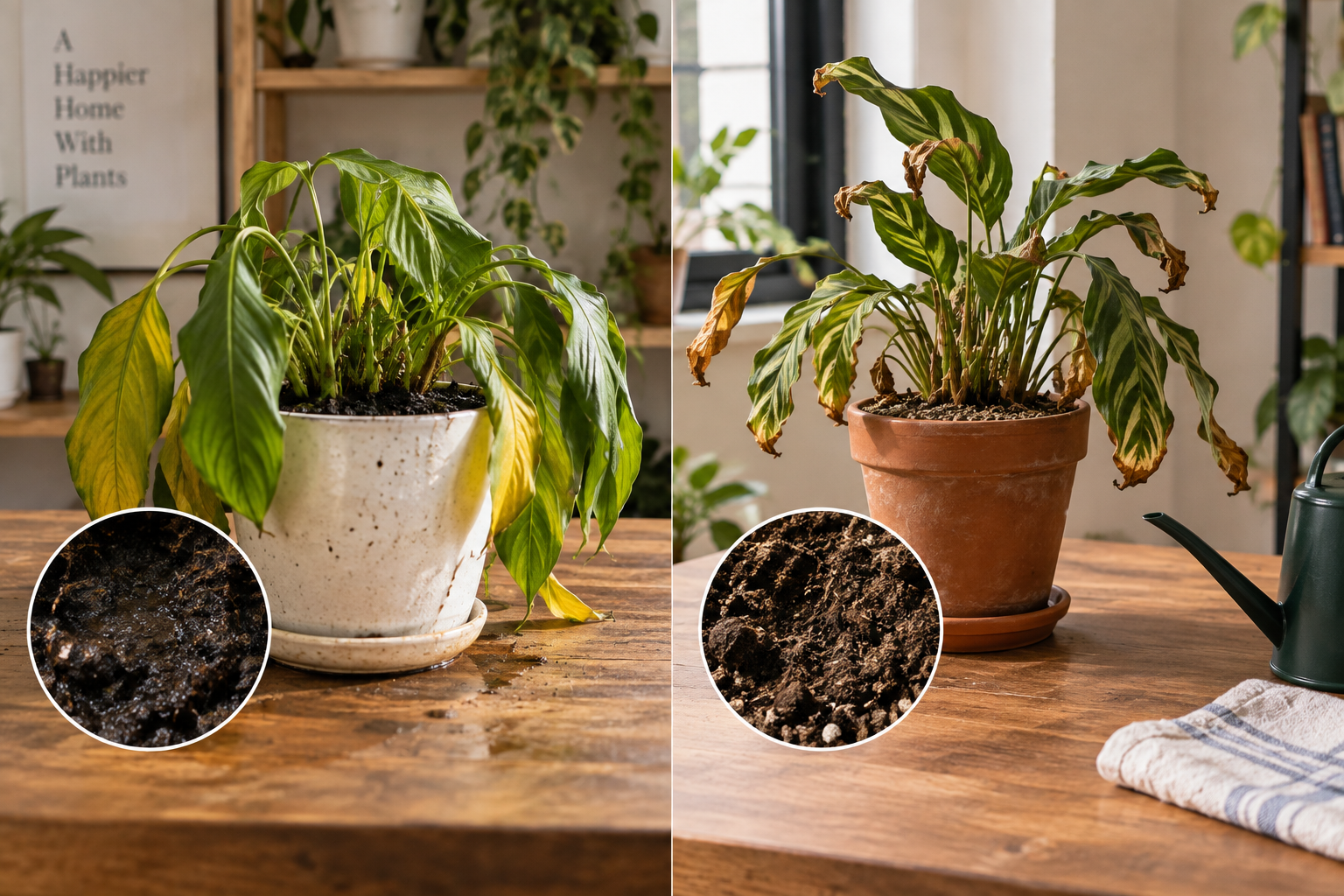
A calm, evidence-based approach is especially valuable here because small differences in timing, placement, and container conditions can change the outcome. The decisions involved in the topic of overwatering vs. underwatering become easier when the plant’s condition, container, and immediate environment are considered together. The central principle is that overwatering and underwatering can both cause drooping or yellowing, so the condition of the potting mix and roots matters more than the symptom alone. That matters here because a plant may look wilted because roots are too dry to supply water or because waterlogged roots are too stressed to function normally. A useful watering decision combines soil condition with pot weight and the plant’s recent behavior rather than relying on a fixed weekday. The best comparison is usually the plant against its own recent healthy pattern instead of simply against a perfect specimen in a photograph. in place of treating every possible cause at once, the steps below narrow the situation into observations, context, one useful response, and a follow-up check.
The Clues That Deserve the Most Weight
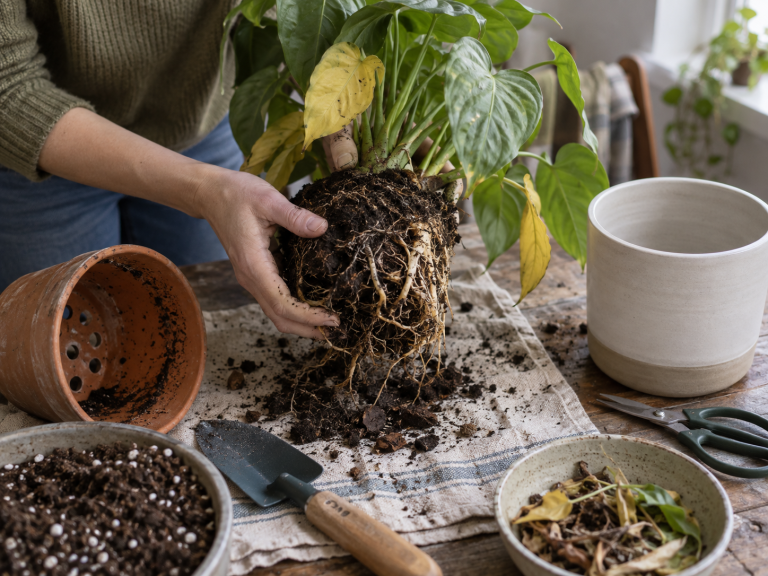
A better first check focuses on soil moisture, pot weight, smell, leaf texture, speed of decline, root color, and whether symptoms improve after watering. Compare those observations with the plant’s recent normal condition and give repeated patterns more weight than a single unusual leaf or one reading taken out of context. A short, deliberate inspection keeps small variations from being mistaken for emergencies. The best clues are usually the ones you can observe again after the adjustment, because they give you a built-in way to judge the result. For this plant care topic, a related RootLuma guide, Brown Leaf Tips on Houseplants, can help you verify whether the surrounding conditions are contributing to what you see. A consistent inspection gives you a baseline that becomes more valuable each time it is repeated.
How the Main Factors Work Together
At the center of this topic is one practical principle: Overwatering and underwatering can both cause drooping or yellowing, so the condition of the potting mix and roots matters more than the symptom alone. Once that is clear, the visible signs become easier to interpret because they can be connected to a plausible cause instead of treated as isolated defects. It keeps the article focused on decisions you can make at home without pretending that every plant behaves identically. The point is not to turn everyday care into a science experiment, but to use enough cause-and-effect reasoning to avoid random changes. Because indoor plants grow at different rates through the year, a similar action can be helpful in active growth and unnecessary during a slower period. With that foundation in place, the next inspection can focus on evidence rather than on every possible explanation.
Why Timing Matters
The sequence of events is often more informative than the severity of one symptom. Review what changed before the pattern appeared, including care routines, placement, room climate, and any recent disturbance. This does not prove a cause, but it helps you rank explanations instead of treating every possibility as equally likely. If you recently made a correction, give it enough time to be evaluated before layering another one over it. If several changes happened together, start with the one most directly connected to the plant’s water, light, roots, or temperature. Moisture should be judged through the root zone because the surface can dry while deeper mix remains wet. For a second checkpoint, use How to Tell When a Houseplant Needs Water to compare the plant’s response with a care factor that has already been discussed on RootLuma. Treat the timeline as supporting evidence, then compare it with what the plant is showing now.
Placement Can Amplify or Reduce the Problem
Environmental context helps explain why two similar plants can respond differently. Here, a plant may look wilted because roots are too dry to supply water or because waterlogged roots are too stressed to function normally. Check the actual position of the leaves and root zone rather than relying on broad labels such as bright room, warm corner, or sheltered balcony. A location that works during mild weather may behave very differently during the brightest or coolest part of the year. In compact spaces, the safest and healthiest arrangement is usually the one that preserves both plant needs and human access. In this particular care decision, a useful watering decision combines soil condition with pot weight and the plant’s recent behavior rather than relying on a fixed weekday. The exact location should therefore be part of every follow-up check.
Correct the Strongest Issue First
A measured response is usually safer than a dramatic reset. Use this approach: Use the soil and recent care history to decide which direction to investigate before changing the watering routine. If the assumption is correct, the next checks should become easier to interpret; if not, you still have room to adjust without having created several new variables. If roots or soil are involved, make sure the container can drain before adding water intended to correct another problem. A good intervention should solve a defined issue, not simply make you feel that something has been done. For this plant care topic, the most reliable baseline is the plant’s own recent pattern: how quickly it dries, how firm the leaves feel, and what healthy new growth looks like. The next useful information comes from what the plant does next, not from adding another intervention immediately.
What Not to Change All at Once
The most common mistakes are watering a drooping plant automatically, assuming yellow leaves always mean excess water, and changing several care factors at once. These responses usually come from trying to make the plant look better immediately, but they can hide the original cause or create a second problem before the first one is understood. A decorative container or stand should never prevent you from seeing drainage, checking roots, or reaching the plant safely. Avoid treating one online photo as a diagnosis because many unrelated problems produce similar-looking leaves. To keep the following step grounded, cross-check this with How to Check Soil Moisture Before Watering Houseplants before assuming the most dramatic explanation is the correct one. Good troubleshooting protects the clarity of the next observation as much as it protects the plant.
Use the Next Two Checks as Feedback
A useful result is often stability before it is obvious recovery. Do not expect damaged tissue to become perfect again; instead, watch whether new damage slows and whether fresh growth develops under the improved conditions. Keep expectations realistic because damaged tissue may never look new again, even when the plant has stabilized. For compact gardens, easier access and more consistent watering can be signs that the layout itself is working better. The most reliable baseline is the plant’s own recent pattern: how quickly it dries, how firm the leaves feel, and what healthy new growth looks like. Because indoor plants grow at different rates through the year, the same action can be helpful in active growth and unnecessary during a slower period. Use the direction of the trend to decide whether to continue, refine, or reconsider the original approach.
Turn the Lesson Into a Repeatable Habit
Long-term confidence comes from a routine you will actually use. pair every visual symptom with a soil check and a short review of what happened during the previous week. Add notes or photos only when they help you recognize patterns; the goal is clarity, not a complicated tracking system. For the setup described here, as the collection grows, protect the simplicity of the system by adding plants only when light, access, and care capacity are still adequate. A repeatable sequence of checks is more useful than a long checklist that is followed only when something looks wrong. For the setup described here, moisture should be judged through the root zone because the surface can dry while deeper mix remains wet. That is how general advice turns into a baseline that is specific to your own home.
Use the Same Logic Next Time
A practical routine should reduce uncertainty rather than create more rules. The key point remains that overwatering and underwatering can both cause drooping or yellowing, so the condition of the potting mix and roots matters more than the symptom alone. When care is matched to the real room, container, season, and plant condition, small problems are easier to notice before they turn into repeated cycles of correction. You do not need perfect control; you need enough consistency to see cause and effect clearly. That mindset makes future problems less intimidating because you already have a process for deciding what deserves attention first. Stable basics—appropriate light, sensible watering, drainage, and time—make it easier to tell whether a more specific intervention is actually needed. Used consistently, it reduces guesswork without requiring perfect control over the space around the plant.