Hoya Not Flowering? Light, Flower Spurs, and Bud Care
A mature Hoya can be a beautiful trailing houseplant for years without producing the clusters of waxy, star-shaped flowers that make the genus famous. Owners often respond by feeding it more, buying a larger pot, or cutting back bare-looking stems. Yet one particular cut can remove the very structure from which a Hoya may bloom again.
The useful way to troubleshoot a Hoya that is not flowering is to distinguish vines, leaves, and flower-bearing peduncles; consider the plant’s maturity and species; and evaluate growing conditions without making several abrupt changes at once. Flowering is not a simple reward for adding fertilizer, and a plant that is growing well can still be waiting for the right combination of light, age, and seasonal cues.
Know which Hoya you are growing
Hoya is a large genus. The common wax plant, Hoya carnosa, may be sold alongside Hoya pubicalyx, Hoya australis, Hoya kerrii, and other species or hybrids with different leaves and habits. Care advice that is sensible for a robust mature H. carnosa may not transfer perfectly to a small-leaved, moisture-sensitive tropical species.
Begin with the nursery label, purchase record, or a reliable botanical identification. A cutting from a mature flowering vine is not automatically ready to bloom immediately after rooting, and a juvenile plant may put energy into leaves and roots for a considerable period. A single rooted heart-shaped Hoya leaf may remain as a leaf for a long time if it lacks a viable node; do not treat every leaf-only purchase as a blooming vine in miniature.
Check whether the plant is developing steadily. Firm leaves, functioning roots, and healthy new shoots suggest a fundamentally different starting point from a Hoya losing leaves, turning soft at the crown, or displaying severe pest damage. Solve basic health problems first rather than trying to induce flowers on a struggling plant.
The Royal Horticultural Society Hoya guide discusses cultivation, support, and restrained pruning. It is a useful general framework, but species-level variation matters and should take precedence over a universal flowering schedule.
Recognize persistent flower spurs
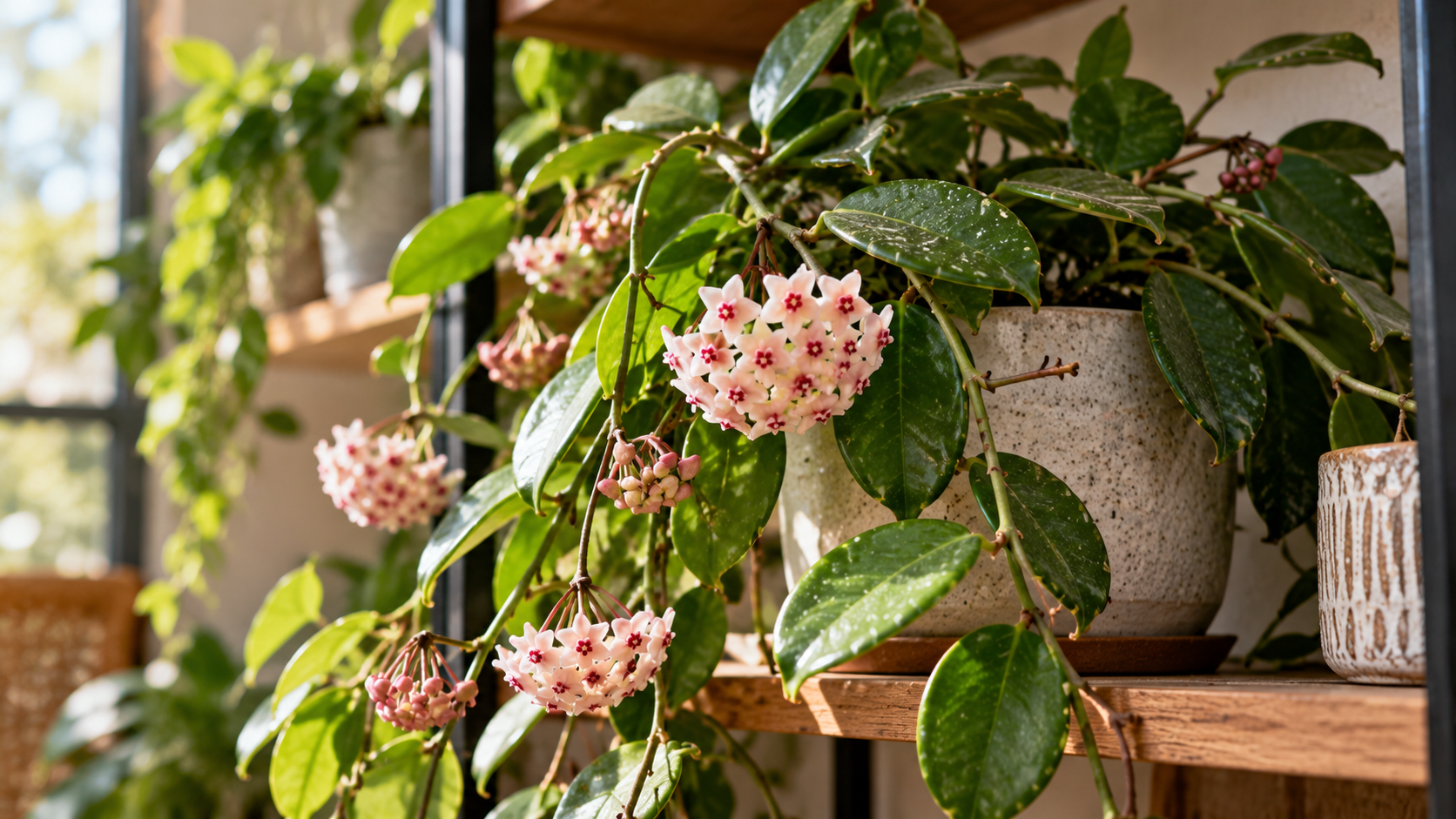
Many Hoyas produce umbels—rounded clusters of flowers—from specialized short stalks called peduncles. In a number of commonly grown species, an established peduncle can bloom repeatedly over time. It may remain visible after the individual flowers fall, looking like a short, blunt projection from a vine.
This creates an easy-to-make mistake. After flowering, the shriveled flower parts appear untidy, so someone cuts away the entire little stalk. The vine may later produce another peduncle elsewhere, but an existing repeat-bloom site has been lost. If your plant develops persistent flowering spurs, leave those structures in place unless they are clearly diseased or damaged.
Learn to tell the spur from a new vegetative growth point. A vine tip usually extends and eventually develops leaves or nodes. A flower peduncle is shorter, often with a distinct attachment site and, when active, a developing cluster. Do not pull at a suspected peduncle merely to test it. Photograph it and watch for changes as the plant grows.
What if an old spur looks dry?
An inactive flower spur can look unremarkable between blooms. Its lack of flowers today does not prove it is useless. Conversely, not every brown or broken piece of stem will flower again. Rather than diagnosing from color alone, check whether it is attached to healthy tissue and whether the species is known to reuse peduncles.
If you cannot identify the structure confidently, preserving it costs very little. A short projection rarely interferes with training the vine, while replacing it may take additional growth. This conservative choice is particularly helpful for novice growers who are still learning their plant’s flowering pattern.
Give bright light without assuming “more” is always better
Light supports photosynthesis and can influence whether a Hoya has enough resources to flower. A vine grown deep in a room may produce leaves yet receive insufficient light for reliable blooming. Move toward an appropriately bright window, but consider the species and the intensity of direct sun; leaf scorch is not a sign of successful flower induction.
Check the plant’s current conditions before relocating it. Does the window receive morning sun, strong afternoon rays, or mostly diffused daylight? Are curtains, buildings, or nearby plants shading it? Does a shelf position that appears bright at eye level leave the upper vines in shadow? A hanging Hoya can have one side brightly lit and another hidden behind the pot.
Acclimate gradually if you choose a stronger exposure. A sudden move from a shaded room to direct midday sun can bleach or burn foliage. A stable bright location with adequate protection is generally preferable to moving the plant from one extreme to another whenever a flower fails to appear.
Why flowering comparisons can mislead
A photograph of someone else’s flowering Hoya does not reveal its age, species, light history, or growing season. Two plants of similar size can have very different developmental states. One may carry old peduncles from a mature cutting, while the other has only recently established roots after propagation. Counting leaves alone is a poor way to declare a plant overdue for flowers.
When evaluating light changes, track more than the first week. Note whether new shoots become healthy, whether leaves scorch, and whether dormant peduncles begin to develop. Flowering may still be seasonal or inconsistent, and a single cycle is not enough to establish a causal rule.
Keep roots healthy during bud development
Hoya roots generally benefit from a well-aerated growing medium and sensible irrigation. A potting mix that remains saturated can interfere with root function; one that dries so severely that a plant repeatedly wilts can also stress developing buds. The appropriate interval depends on plant species, root mass, pot, light, and temperature.
Water thoroughly when the plant needs it and let excess drain. Check the actual mix rather than watering solely because a calendar reminder appears. Some Hoya leaves are thick and slow to show stress, so an inspection of the medium can be more useful than waiting for obvious wilting. Thin-leaved species may respond differently from thick-leaved types.
When a plant begins forming buds, avoid intentionally pushing it through severe drought as a bloom experiment. Some growers report particular seasonal approaches for specific species, but a universal “dry it until it flowers” rule is risky. A stable root environment generally gives developing buds fewer reasons to abort.
If the plant has recently been repotted, do not assume it should flower immediately. Root disturbance, a major change in water availability, or moving to a much larger container can delay adjustment. Repot because the roots and medium require it, not because blossoms have not appeared on schedule.
Understand bud drop without assigning one cause
A developing Hoya umbel can lose buds before opening. The disappointment is real, but an aborted cluster does not by itself diagnose a fertilizer problem. Consider recent changes in temperature, moisture, air movement, lighting, and handling. An abrupt shift in any of these conditions may be relevant, particularly on a plant already under stress.
Try to identify a timeline. Were the buds firm when you first noticed them? Did the pot suddenly dry much faster during a hot spell? Was the vine moved or rotated into a different light exposure after the cluster began expanding? Did the air conditioner start blowing across it every evening? These facts help you test plausible explanations.
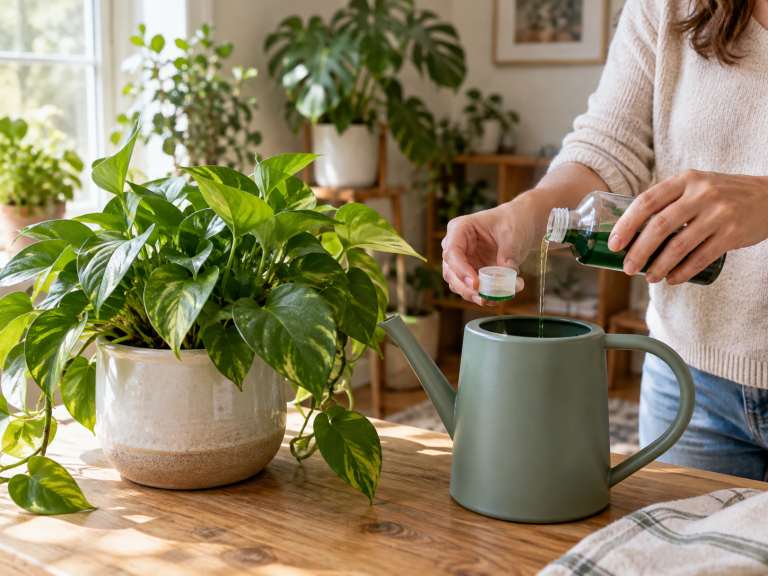
Do not respond to a single fallen bud by applying several products. Excess fertilizer can raise soluble salt levels in the root environment; it cannot resurrect flowers that have already dropped. Remove fallen material, check for pests if other signs warrant it, and stabilize ordinary care before waiting for another cluster.
Flowers open, then fall: is that the same problem?
No. A Hoya flower cluster naturally finishes blooming. Flowers may age, loosen, and fall even on a healthy plant; some varieties last longer than others. Distinguish normal flower senescence from buds dropping unopened. In the first case, preserve the peduncle and observe future blooms. In the second, look for stress and interruptions during development.
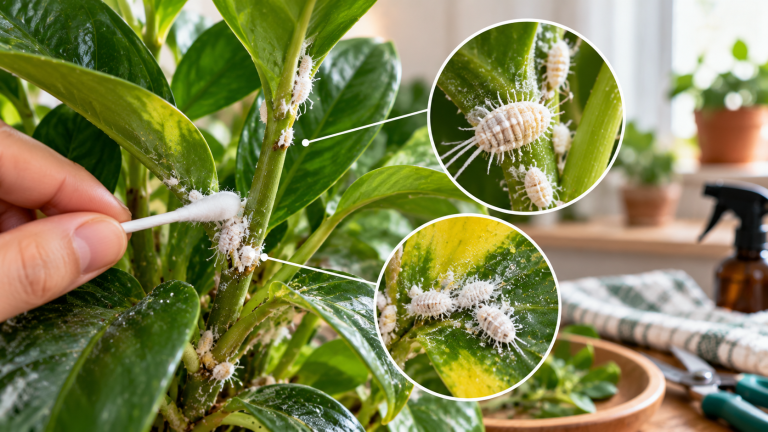
Older flowers and nectar can also leave surfaces sticky. Some Hoyas secrete nectar from flowers, so sticky residue near an active umbel is not automatically proof of scale insects. Inspect the source. Honeydew-producing pests may still occur elsewhere on vines, and white cottony patches or moving insects require separate identification.
Prune vines without accidentally sacrificing flowers
A Hoya can become very long or occupy more space than an indoor shelf allows. Light shaping may be reasonable, but start by identifying active growth tips, leaf nodes, and all visible peduncles. Plan your cut above a leaf or branching point where it will leave a useful shape. Avoid stripping healthy mature stems indiscriminately.
The RHS advises restrained pruning rather than drastic reduction for most common Hoya growing situations. Some species can tolerate more intervention than others, but the goal is to preserve a healthy vine with opportunities to flower. A small amount of selective training around a hoop or support may solve a space problem without cutting productive stems.
Hoya sap can irritate skin, so gloves and clean tools are sensible. Keep cut material away from children and pets and wash hands after working. If you save a viable stem cutting, label its species and do not mistake the propagation process for a guaranteed fast route to bloom.
A useful pre-pruning photograph shows the entire vine and close-ups of flowering spurs. When flowers appear months later, those photos help establish whether the same peduncle was reused. This small record can teach more about a particular Hoya than a generic watering schedule.
Example: the hanging Hoya with a small old spur
A grower keeps a mature Hoya carnosa in a hanging pot beside a bright window. It once produced a flower cluster, but none appeared the following year. The short peduncle still hangs below a leaf node. Wanting a tidier silhouette, the grower almost clips it away.
Instead, the peduncle is left intact. The grower observes that one side of the vine receives plenty of light while the other is shaded by furniture and gently adjusts the hanging position for more even exposure. The pot is checked more carefully during warm periods so the mix does not repeatedly become extremely dry. No major repotting or experimental fertilizer is introduced.
Later, the established spur may produce another cluster. If it does, the grower has learned that retaining the spur was worthwhile. If it does not, the plan still preserves a healthy flowering site and avoids an unnecessary cut. The outcome remains species- and season-dependent; the example illustrates measured troubleshooting, not a promised timeline.
What to record over one growing cycle
Keep a small note with the botanical name, approximate plant age if known, current light location, visible peduncles, and periods of active growth. When buds appear, record the conditions without changing everything at once. If the buds drop, note whether they had opened, whether other plant parts show stress, and whether any sharp change occurred.
Over time you may discover that a particular plant blooms from the same two sites, responds well to a stable bright position, or becomes unreliable when moved during bud development. Those observations matter more than declaring that every Hoya must be fertilized on the first day of each month.
If roots deteriorate, stems soften, or pests spread, prioritize plant health above flowers. A healthy, vigorous vine with no blooms is not necessarily a failed houseplant. Sometimes the most effective intervention is simply to stop unnecessary disruptions and let a mature plant continue developing.
Common questions worth settling before you cut
Should a finished flower stalk be removed? For species that reuse persistent peduncles, usually not. Remove spent petals if necessary, but preserve the spur itself when healthy.
Will a larger pot force flowering? There is no general reason to expect that. Repot according to root health and substrate condition, not simply the absence of buds.
Does every Hoya need direct sun? No. Species differ, and abrupt strong exposure can scorch leaves. Bright, appropriate light and acclimation matter more than a universal instruction.
Will additional fertilizer revive dropped buds? No. Check root conditions and stress first. Nutrients support growth when used appropriately but are not a rescue treatment for buds that have already abscised.
How soon should a rooted cutting flower? There is no dependable universal deadline. Species, maturity of the source material, rooting history, and growing conditions all influence the result.
The most distinctive Hoya habit is also the simplest editorial takeaway: learn where your plant carries its flower spurs and protect them. Combined with healthy roots and stable suitable light, that gives a mature plant a fair opportunity to flower without turning every disappointing season into an emergency.
References
Royal Horticultural Society — How to grow Hoya