How to Tell If a Houseplant Is Root-Bound and What to Do Next
Learn the practical signs of a root-bound houseplant, why visible roots are not always an emergency, and how to decide whether repotting is actually needed.

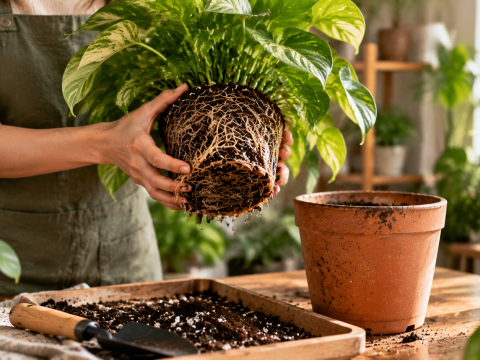
Learn the practical signs of a root-bound houseplant, why visible roots are not always an emergency, and how to decide whether repotting is actually needed.
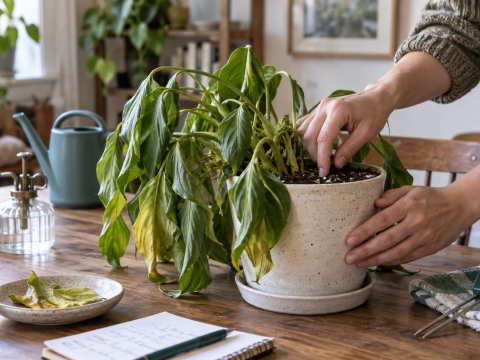
Learn why houseplants droop and how to distinguish water stress, root problems, heat, transplant shock, and natural movement before taking corrective action.
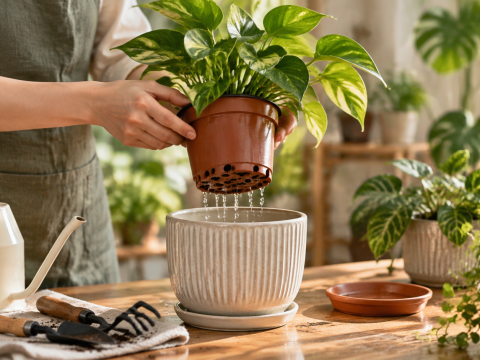
Learn why drainage holes help manage excess water, how cachepots can still be used indoors, and what to watch for when water collects beneath a nursery pot.
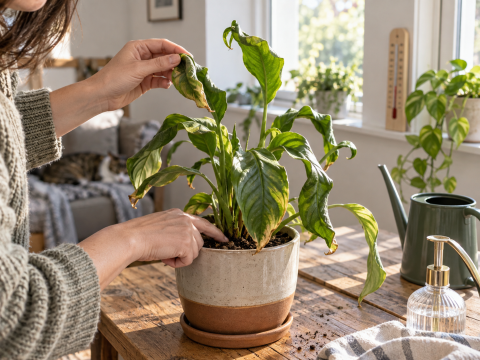
Curled houseplant leaves can reflect moisture stress, heat, light, pests, or normal growth. Learn how to use the pattern and environment to narrow down likely causes.
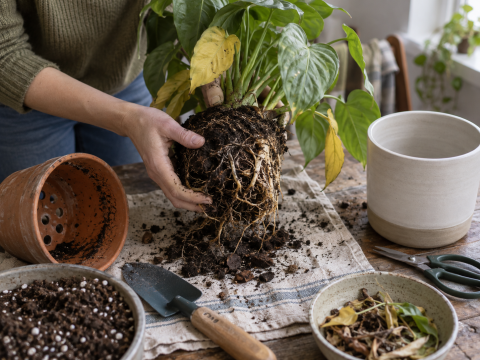
Understand early signs of root rot in houseplants, why persistently wet conditions matter, and how to respond without making unnecessary changes to a stressed plant.
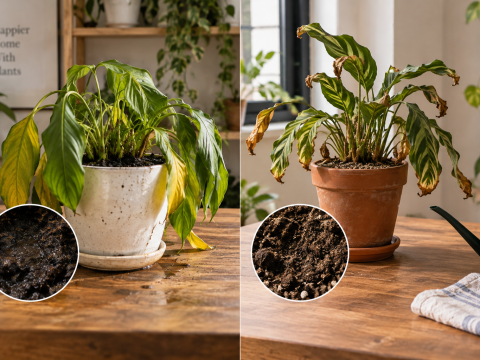
Compare the signs of overwatering and underwatering in houseplants and learn how soil condition, leaf texture, roots, and timing help separate similar-looking symptoms.
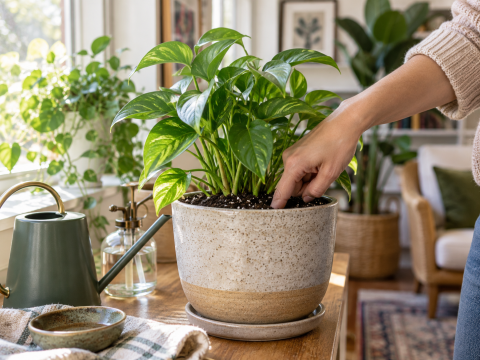
Learn practical ways to check soil moisture before watering houseplants using touch, pot weight, drainage behavior, and plant signals instead of a fixed calendar.
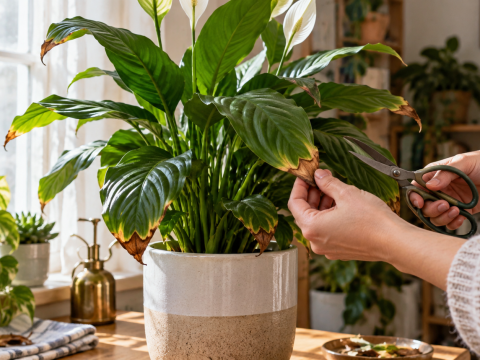
Brown leaf tips can come from dry conditions, watering inconsistency, salt buildup, root stress, or normal aging. Learn how to diagnose the pattern before reacting.
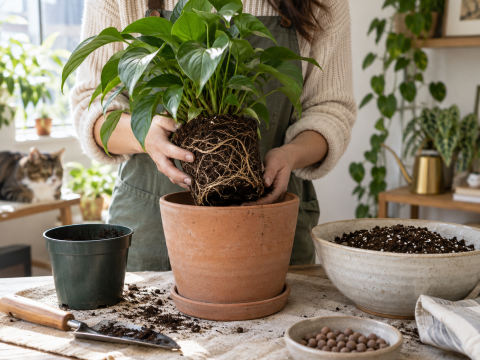
Learn when a houseplant truly needs repotting, how to choose the next pot size, and how to reduce stress before and after moving the root ball.
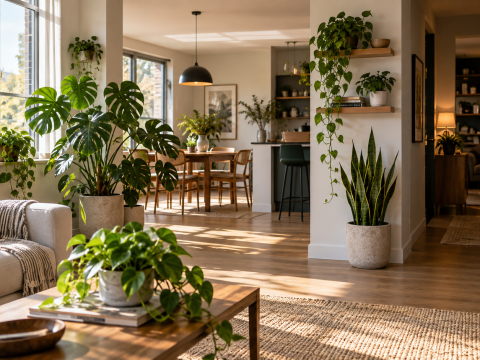
Understand bright, medium, and low indoor light, how window direction changes exposure, and how to place houseplants more successfully from room to room.
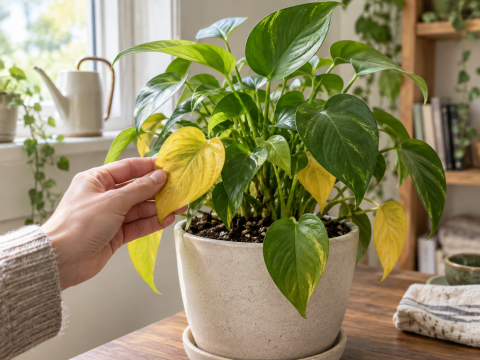
Yellow houseplant leaves can result from watering issues, light changes, root stress, aging, or nutrition. Learn how to narrow down the cause before making changes.
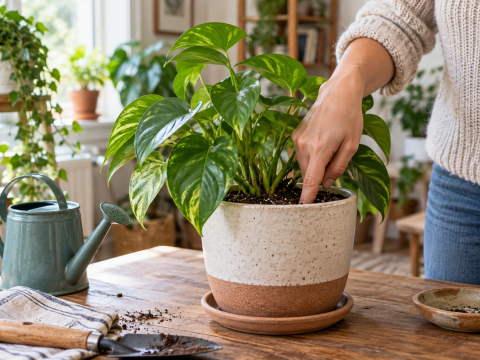
Learn how to judge when a houseplant needs water by checking soil moisture, leaf behavior, pot weight, and environmental conditions instead of following a rigid schedule.