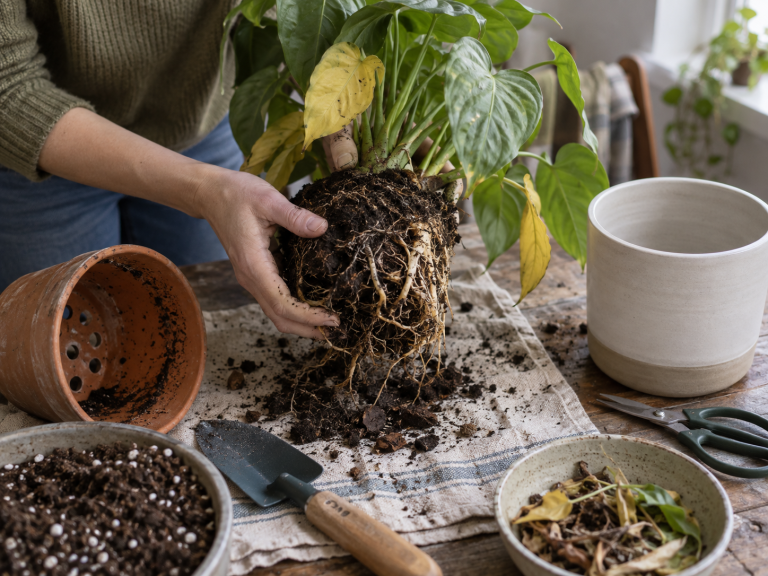
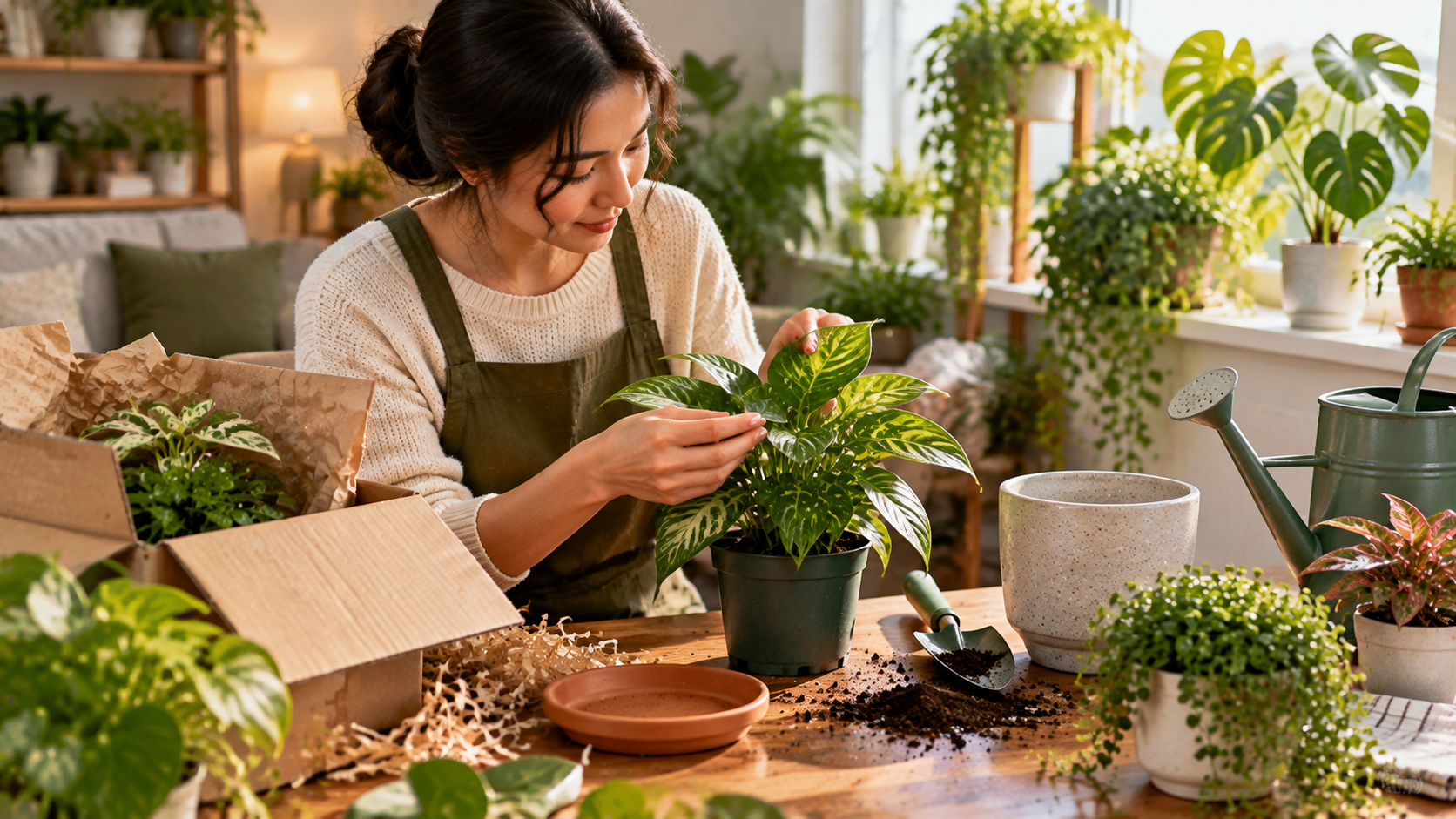
How to Acclimate a New Houseplant to Your Home
A well-kept plant collection depends on decisions that can be checked later, not on quick fixes that change several variables at once. The decisions involved in how to acclimate a new houseplant to your home become easier when the plant’s condition, container, and immediate environment are considered together. The central principle is that a newly purchased plant may be adjusting to different light, humidity, temperature, watering, and handling all at the same time. That matters here because minor leaf loss or slowed growth can occur during adjustment even when the plant is not developing a serious problem. Changing several care factors at once makes it difficult to know which adjustment helped or caused new stress. Stable basics—appropriate light, sensible watering, drainage, and time—make it easier to tell whether a more specific intervention is actually needed. This keeps the advice useful even when the exact timing differs from another home, climate, or container setup.
Why This Pattern Develops
A sound decision begins with the fact that A newly purchased plant may be adjusting to different light, humidity, temperature, watering, and handling all at the same time. That is the part to keep constant while you evaluate the smaller variables around it. A clear mechanism also makes later troubleshooting faster because you know which variables are capable of producing the pattern you are seeing. That foundation is especially useful for beginners because it replaces memorized rules with a small number of relationships that can be checked. Changing several care factors at once makes it difficult to know which adjustment helped or caused new stress. A houseplant often shows stress after the triggering condition has been present for days, so a symptom is best treated as evidence rather than an instant diagnosis. That gives you a practical reference point for the observations that follow.
Which Details Are Most Informative
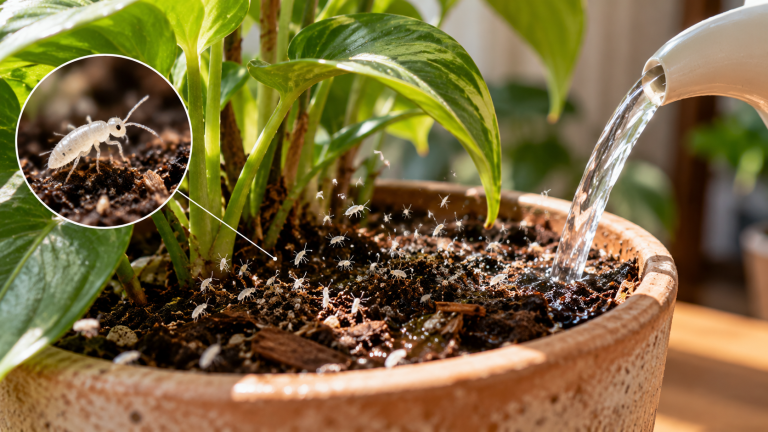
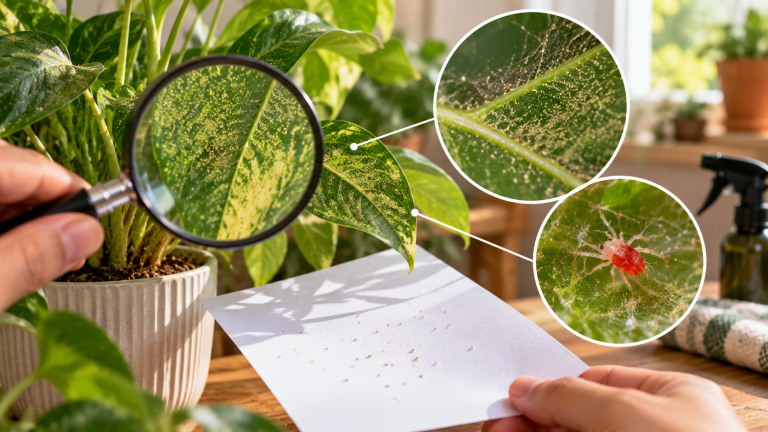
A better first check focuses on new leaf drop, soil moisture on arrival, exposure at the previous location, temperature during transport, pests, and stability after placement. Compare those observations with the plant’s recent normal condition and give repeated patterns more weight than a single unusual leaf or one reading taken out of context. For the setup described here, a single damaged leaf can be informative, but a repeated pattern across several leaves, stems, or pots usually deserves more attention. The plant’s newest leaves or shoots are especially valuable because they developed under the most recent conditions. Another helpful reference is How to Prune Houseplants for Healthier, More Balanced Growth, especially when the symptoms overlap and one visible sign could have several causes. If the pattern is still mixed after this inspection, waiting for another check can be more useful than forcing a diagnosis.
How to Act Without Overcorrecting
A measured response is usually safer than a dramatic reset. Use this approach: Give the plant a suitable, stable location and observe it before adding extra stress through immediate repotting, fertilizing, or frequent moves. If the assumption is correct, the next checks should become easier to interpret; if not, you still have room to adjust without having created several new variables. A small correction also reduces the chance that the plant has to adapt to several new stresses simultaneously. Keep the rest of the basic environment as stable as practical so the response has a clear reference point. To keep the following step grounded, cross-check this with Why Houseplant Leaves Curl before assuming the most dramatic explanation is the correct one. The next useful information comes from the response you see afterward, not from adding another intervention immediately.
How Nearby Conditions Shift the Result
Microclimates matter here: minor leaf loss or slowed growth can occur during adjustment even when the plant is not developing a serious problem. Recheck the situation after seasonal changes, furniture moves, heating or cooling changes, or anything else that alters the plant’s immediate environment. Do not assume that changing the plant means moving it far; sometimes a few inches, a sheer curtain, or a small spacing adjustment is enough. Nearby plants can shade one another, reduce airflow, or change how easy it is to water and inspect each pot. For the setup described here, changing several care factors at once makes it difficult to know which adjustment helped or caused new stress. Another helpful reference is Brown Leaf Tips on Houseplants, especially when the symptoms overlap and one visible sign could have several causes. That context helps explain why care needs can shift even when the plant itself has not moved.
Trace the Change Back to Its Context
Use a short care history as part of the diagnosis. A quick note about the previous week—water, light, temperature, products used, movement, and repotting—can reveal whether the timing supports one explanation more strongly than another. If you recently made a correction, give it enough time to be evaluated before layering another one over it. Changes that occurred after the symptom began are less likely to be the original cause, even if they affect what happens next. Because indoor plants grow at different rates through the year, the same action can be helpful in active growth and unnecessary during a slower period. Changing several care factors at once makes it difficult to know which adjustment helped or caused new stress. Treat the timeline as supporting evidence, then compare it with what the plant is showing now.
Keep Cosmetic Urgency From Driving the Decision
Good troubleshooting includes knowing what not to do. In this case, repotting on the first day without a reason, placing a shade-grown plant in harsh sun, and watering automatically despite wet soil. Resist the urge to stack treatments simply because the first improvement is not immediate. In this particular care decision, trying to make every plant follow one household schedule is another common source of repeated watering and placement mistakes. Avoid treating one online photo as a diagnosis because many unrelated problems produce similar-looking leaves. A houseplant often shows stress after the triggering condition has been present for days, so a symptom is best treated as evidence rather than an instant diagnosis. For this plant care topic, the more uncertain the diagnosis, the more valuable it is to avoid unnecessary variables.
Measure Progress With New Growth and Stability
Measure improvement with repeatable observations. Compare photos, pot condition, new growth, leaf firmness, or other relevant signs at similar times rather than checking constantly and reacting to small day-to-day fluctuations. If decline continues despite appropriate basics, consider whether the original explanation was incomplete and move to the next most plausible factor. For light or placement issues, more balanced growth and healthier spacing between leaves may take several weeks to become obvious. For the setup described here, because indoor plants grow at different rates through the year, the same action can be helpful in active growth and unnecessary during a slower period. For this plant care topic, the most reliable baseline is the plant’s own recent pattern: how quickly it dries, how firm the leaves feel, and what healthy new growth looks like. Use the direction of the trend to decide whether to continue, refine, or reconsider the original approach.
Make the Next Decision Easier
A flexible routine works better than a rigid schedule. use the first two to four weeks as an observation period while keeping care simple and checking for pests separately from other plants. Let the observation tell you whether an action is necessary rather than treating inspection day as treatment day. When a routine starts creating unnecessary actions, simplify it back to observation, prioritization, and one measured response at a time. Grouping similar tasks can save time, but grouping every plant under the identical watering or feeding schedule usually creates problems. A houseplant often shows stress after the triggering condition has been present for days, so a symptom is best treated as evidence rather than an instant diagnosis. a care rhythm built this way stays useful even when the plant’s growth rate or the room conditions change.
A More Reliable Long-Term Habit
A practical routine should reduce uncertainty rather than create more rules. The key point remains that a newly purchased plant may be adjusting to different light, humidity, temperature, watering, and handling all at the same time. When care is matched to the real room, container, season, and plant condition, small problems are easier to notice before they turn into repeated cycles of correction. that same principle applies whether you keep one plant on a windowsill or manage a larger indoor collection. You do not need perfect control; you need enough consistency to see cause and effect clearly. Because indoor plants grow at different rates through the year, the same action can be helpful in active growth and unnecessary during a slower period. Used consistently, it reduces guesswork without requiring perfect control over the local growing conditions.