Choosing Container Sizes for Small-Space Gardens: Bigger Is Not Always Better
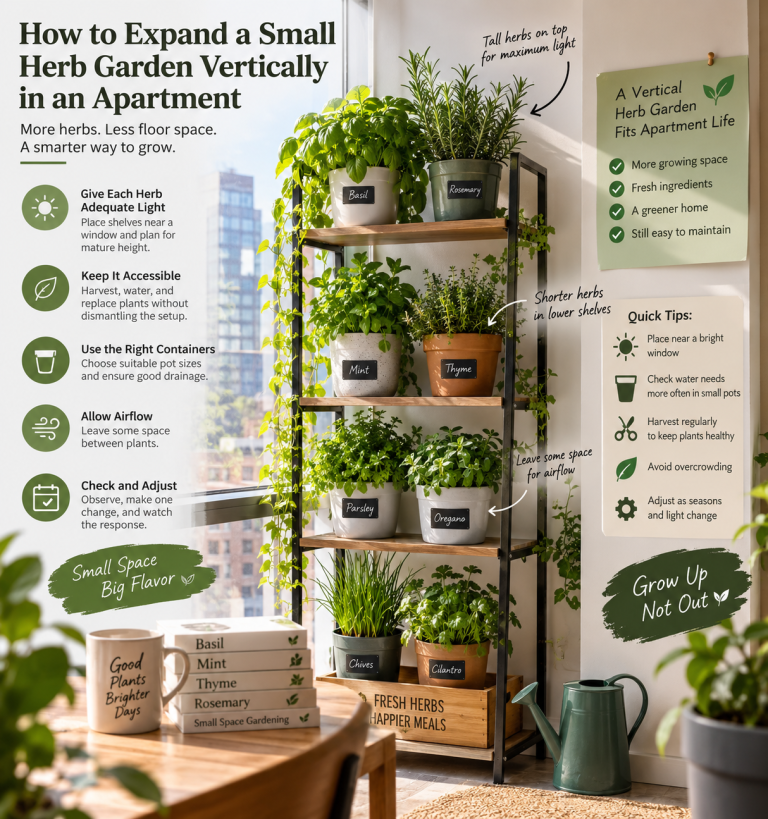
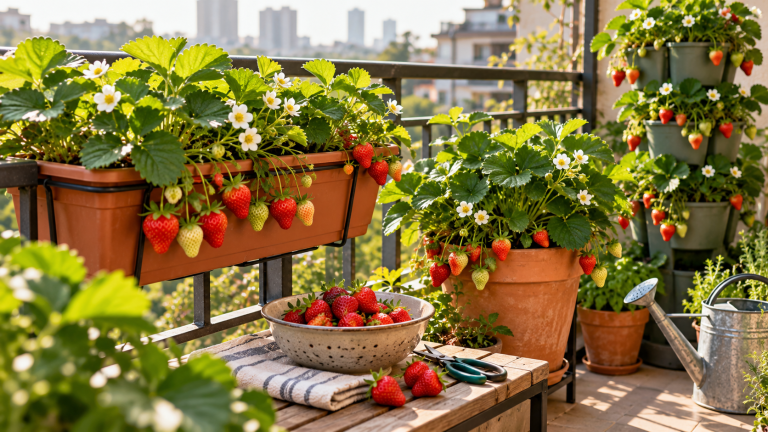
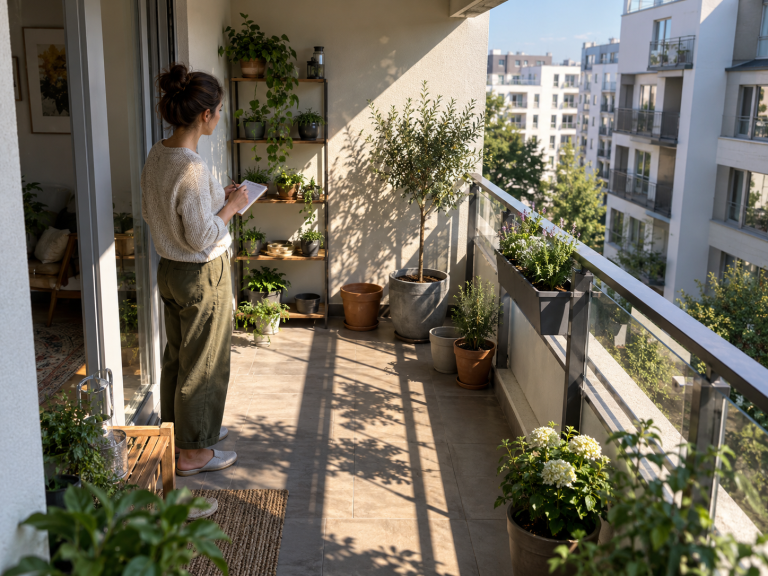
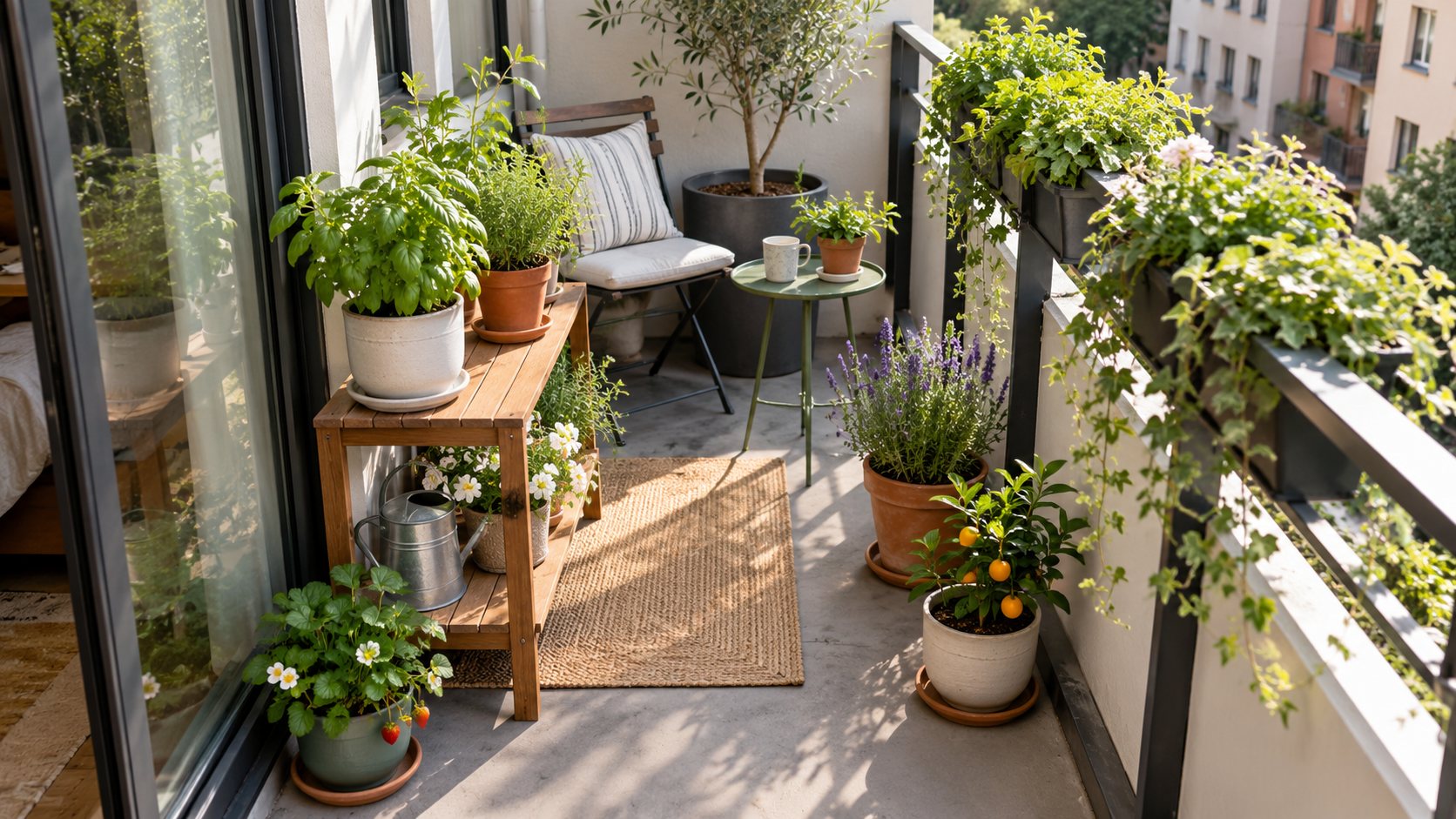
A calm, evidence-based approach is especially valuable here because small differences in timing, placement, and container conditions can change the outcome. For everyday care, the topic of choosing container sizes for small-space gardens is best approached through factors that can actually be checked at home. The central principle is that container size affects moisture stability, root space, weight, and how efficiently limited space is used, so oversized pots can be as inconvenient as undersized ones. That matters here because small containers dry quickly while very large containers may stay wet longer and become difficult to move when saturated. Small-space gardening becomes easier when plants with similar needs are grouped into a few manageable care zones. Good small-space design leaves some open room for airflow, drainage, growth, and maintenance instead of treating every empty surface as a place for another pot. instead of treating every possible cause at once, the steps below narrow the situation into observations, context, one useful response, and a follow-up check.
How to Read the Pattern
Before changing care, collect a small set of observations: mature plant size, root depth, watering frequency, balcony load, shelf dimensions, drainage, and whether the container needs to be moved. These are valuable because they can be checked again later, making the next decision less dependent on memory or guesswork. If one clue conflicts with the others, note the disagreement instead of forcing it to fit the first diagnosis that came to mind. Checking neighboring plants can also be useful because a shared pattern may point to an environmental condition instead of simply an individual plant problem. Weight, runoff, wind exposure, and the path people use through the space are practical constraints, not decorative details. If the pattern is still mixed after this inspection, waiting for another check can be more useful than forcing a diagnosis.
Placement Can Amplify or Reduce the Problem
Microclimates matter here: small containers dry quickly while very large containers may stay wet longer and become difficult to move when saturated. Recheck the situation after seasonal changes, furniture moves, heating or cooling changes, or anything else that alters the plant’s immediate environment. Nearby plants can shade one another, reduce airflow, or change how easy it is to water and inspect each pot. If you use a meter, thermometer, or light reading, treat it as one piece of evidence and compare it with the plant’s response. To keep the next step grounded, cross-check this with Balcony Gardening for Beginners before assuming the most dramatic explanation is the correct one. For the setup described here, that context helps explain why care needs can shift even when the plant itself has not moved.
The Practical Principle to Keep in Mind
The most important point is that Container size affects moisture stability, root space, weight, and how efficiently limited space is used, so oversized pots can be as inconvenient as undersized ones. That statement is useful because it describes a process, not a calendar rule, and it gives you something concrete to compare with the plant’s response. That foundation is especially useful for beginners because it replaces memorized rules with a small number of relationships that can be checked. Thinking in causes and responses helps prevent a cosmetic symptom from becoming the reason for an unnecessary overhaul. Good small-space design leaves some open room for airflow, drainage, growth, and maintenance instead of treating every empty surface as a place for another pot. With that foundation in place, the next inspection can focus on evidence in place of on every possible explanation.
Recent Changes Can Explain More Than One Symptom
The sequence of events is often more informative than the severity of one symptom. Review what changed before the pattern appeared, including care routines, placement, room climate, and any recent disturbance. This does not prove a cause, but it helps you rank explanations instead of treating every possibility as equally likely. Moving a plant, repotting it, changing a curtain, starting a heater, or adding fertilizer can all alter conditions without looking dramatic on the first day. History becomes more useful when you record actions instead of impressions: note what changed, when it changed, and what the plant did afterward. Good small-space design leaves some open room for airflow, drainage, growth, and maintenance instead of treating every empty surface as a place for another pot. The clearer the sequence, the less likely you are to mistake the effect of a recent change for a separate new problem.
What to Do Once the Pattern Is Clear
When you are ready to act, keep the intervention proportionate: Use the smallest container that provides appropriate root room and moisture stability for the plant you intend to grow. Small, evidence-based changes are easier to reverse, repeat, or refine than a complete care overhaul. If the evidence remains mixed, choosing observation over treatment is still a valid decision. Use the response to refine the plan instead of assuming the first adjustment must be permanent. Container and display choices affect care because they change stability, drainage access, weight, and how easily a plant can be inspected. Compact gardens are easier to maintain when containers share a few predictable care zones instead of every pot requiring a completely different routine. The next useful information comes from the plant’s response, not from adding another intervention immediately.
Tempting Fixes That Backfire
The most common mistakes are choosing by appearance alone, placing tiny plants in huge pots, ignoring wet weight, and using shallow decorative containers for plants that need depth. These responses usually come from trying to make the plant look better immediately, but they can hide the original cause or create a second problem before the first one is understood. Switching between remedies too quickly can produce a confusing mix of responses that is harder to interpret than the original problem. Trying to make every plant follow one household schedule is another common source of repeated watering and placement mistakes. Limited space makes every design decision do two jobs: it must support plant growth and preserve safe, comfortable access for the people using the area. When you need to check the broader setup, Choosing the Right Pots for Indoor Plants gives a useful companion framework. The more uncertain the diagnosis, the more valuable it is to avoid unnecessary variables.
A Better Way to Measure Recovery
The next two or three checks usually tell you more than an immediate visual inspection. Stability, predictable care needs, and healthy new development are stronger evidence than the disappearance of damage that has already occurred. A photo taken from that same position once a week can make slow improvement much simpler to recognize. If that same symptom continues on new growth, revisit the diagnosis instead of repeating the original correction automatically. Decorative systems work best when the inner growing pot, saucer, or cachepot can be handled without moving several other plants. The mature size of a plant is a more useful planning number than the size it occupies on the day you buy it. Use the direction of the trend to decide whether to continue, refine, or reconsider the original approach.
How to Keep the System Manageable
Long-term confidence comes from a routine you will actually use. review container fit as roots develop and upgrade gradually rather than reserving permanent space for oversized pots from the start. Add notes or photos only when they help you recognize patterns; the goal is clarity, not a complicated tracking system. Consistency is valuable because it builds a baseline, but flexibility is what allows the maintenance routine to remain appropriate as conditions change. For the setup described here, seasonal review is useful because daylight, indoor heating, balcony exposure, and growth rate can change gradually. Decorative systems work best when the inner growing pot, saucer, or cachepot can be handled without moving several other plants. For more context on the underlying care factor, read How to Plan a Vertical Balcony Garden Without Wasting Floor Space before adding another adjustment. a repeatable routine built this way stays useful even when the plant’s growth rate or the room conditions change.
Use the Same Logic Next Time
The most reliable long-term approach is not a perfect schedule but a dependable way to decide. Remember that container size affects moisture stability, root space, weight, and how efficiently limited space is used, so oversized pots can be as inconvenient as undersized ones. Combine that principle with the clues you can actually observe, then let the plant’s next response confirm whether the adjustment was useful. When the space and routine are easy to understand, small problems can be addressed before they trigger a chain of unnecessary corrections. Over time, the plant’s own history becomes the most useful reference for what normal looks like in your home. A setup that looks simple but blocks watering or traps runoff often creates more maintenance than it saves. That process keeps everyday care practical, adaptable, and easier to trust.