How to Use Tiered Plant Stands in a Small Room Without Creating Crowding
Use tiered plant stands to fit more greenery into a small room while keeping enough light, airflow, stability, and access for watering each pot.

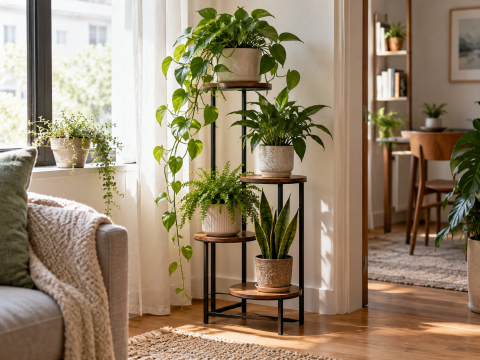
Use tiered plant stands to fit more greenery into a small room while keeping enough light, airflow, stability, and access for watering each pot.
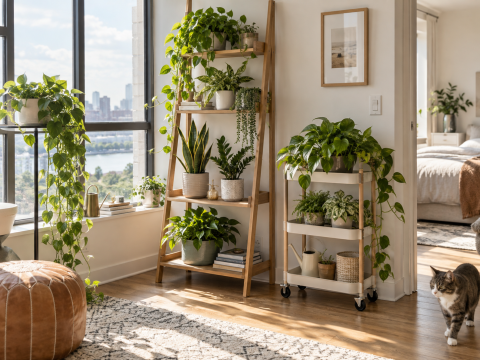
Create rental-friendly plant displays with freestanding shelves, tension systems, window ledges, stands, and movable groupings that do not require permanent drilling.
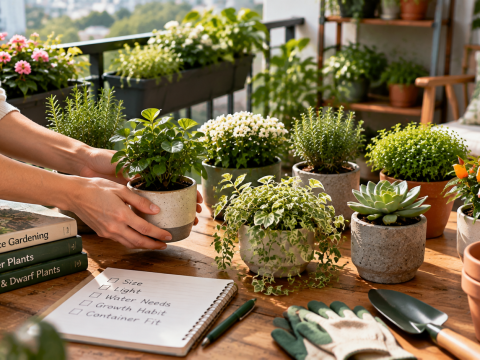
Choose compact and dwarf plants by looking at mature size, growth habit, container needs, pruning requirements, and light rather than assuming every small nursery plant stays small.
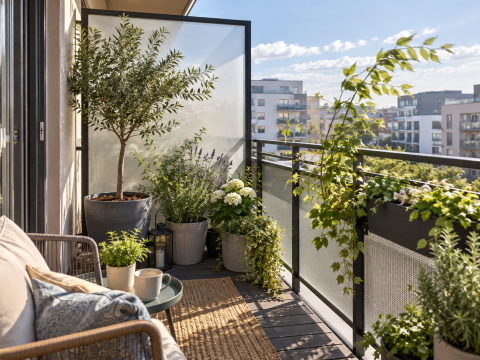
Protect balcony plants from strong wind with stable containers, thoughtful placement, partial barriers, and plant support while preserving useful airflow and light.
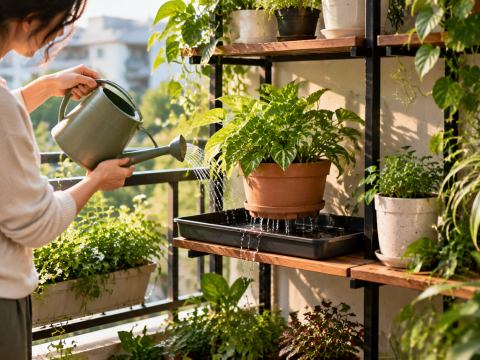
Manage drainage in small-space gardens with saucers, trays, cachepots, watering zones, and careful runoff control so plants drain without damaging surfaces or neighbors below.
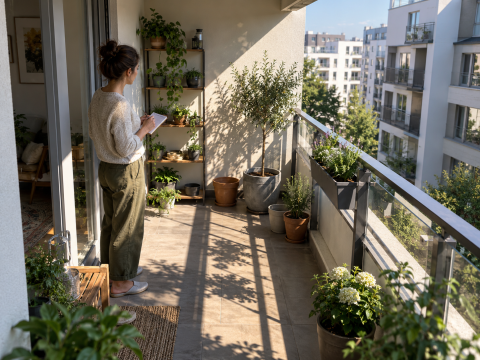
Map sunlight on a small balcony across the day so you can distinguish direct sun, bright shade, reflected heat, and seasonal changes before selecting plants.
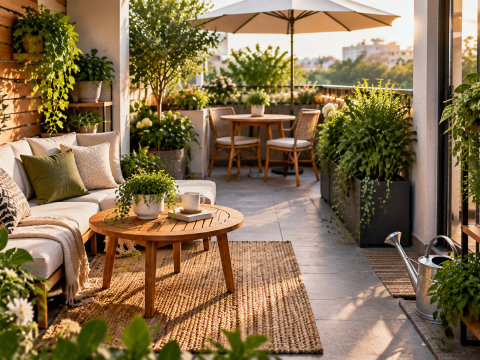
Organize a small patio garden into useful zones for seating, access, sun, and plants so greenery feels intentional without taking over every walkway and surface.
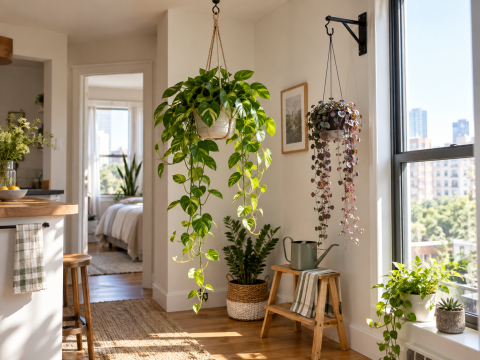
Use hanging houseplants in small rooms without sacrificing safety, light, or watering access by planning anchor points, mature growth, drainage, and reach.
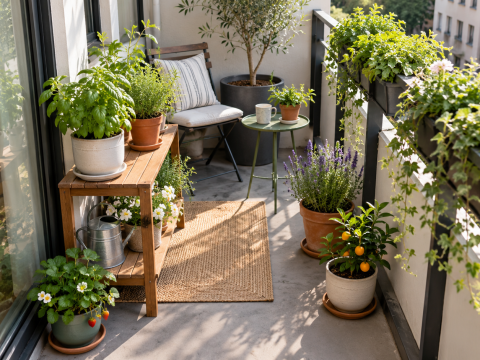
Choose container sizes for small-space gardens by balancing root room, drying rate, weight, plant size, and available floor or shelf space instead of simply buying the largest pot.
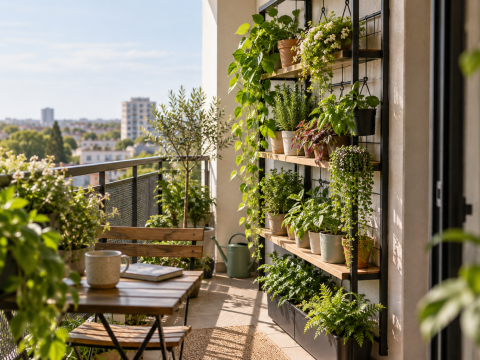
Plan a vertical balcony garden by matching sun, wind, weight, watering access, and plant size to walls, racks, railings, and other upright growing space.
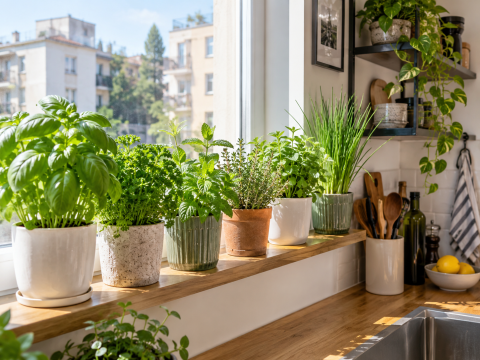
Create a compact apartment herb garden by choosing a bright location, manageable containers, practical herbs, good drainage, and a routine that fits limited space.
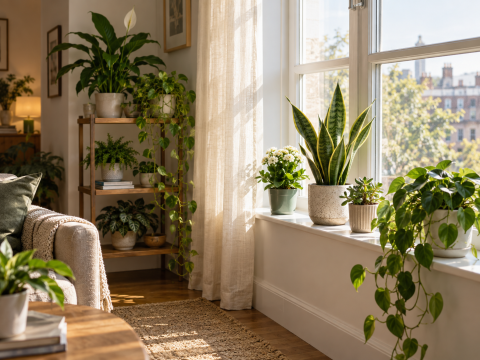
Plan a window garden by understanding how direction, distance, seasonal sun, heat, and obstructions affect light before choosing plants for each windowsill.