Indoor Plant Placement by Room: How to Match Plants With Real Conditions
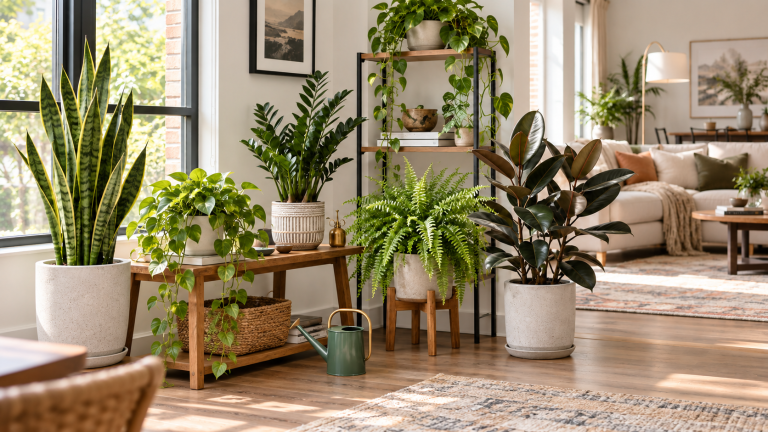
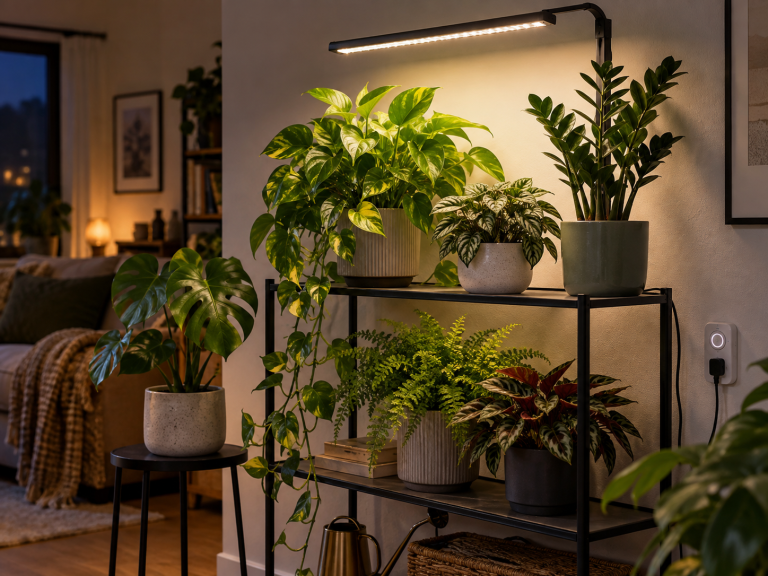
Many plant-care problems become confusing only after several possible causes are treated as if they were equally likely. This guide focuses on the topic of indoor plant placement by room, with an emphasis on observations that can be made in an ordinary home rather than an ideal greenhouse setup. The central principle is that room labels are less important than the specific conditions within each room, because two kitchens or bathrooms can have completely different light and airflow. That matters here because a bright bathroom can support different plants from a windowless one, and a warm kitchen shelf may still be too dark for active growth. Room labels such as bright, warm, or humid are only rough descriptions; the exact plant position often matters more. Seasonal daylight, heating, cooling, and furniture changes can alter a plant’s microclimate even when the pot never moves. By the end, you should have a simple decision process that can be used again when that plant or growing area changes with the season.
The Reason This Detail Matters
The most important point is that Room labels are less important than the specific conditions within each room, because two kitchens or bathrooms can have completely different light and airflow. That statement is useful because it describes a process, not a calendar rule, and it gives you something concrete to compare with the plant’s response. Understanding the mechanism gives you a reason to pause when a popular shortcut does not match the conditions you can observe. The practical advantage is that you can test the idea against what happens next rather than relying on a one-time impression. Seasonal daylight, heating, cooling, and furniture changes can alter a plant’s microclimate even when the pot never moves. Good indoor placement balances plant needs with practical access so routine care does not require constant rearranging. Once this relationship is clear, the rest of the care decision becomes simpler to keep proportionate.
A Better First Inspection
Start with a short inspection rather than a treatment. The most useful clues here are window size, distance from glass, steam frequency, vent locations, foot traffic, surface protection, and ease of carrying water to the plant. None of them needs to be perfect on its own; the goal is to see whether several indicators point in the same direction. For the setup described here, a short, deliberate inspection keeps small variations from being mistaken for emergencies. For this indoor gardening topic, when the issue involves the root zone, combine what you see above the soil with information about moisture, drainage, and pot weight. This is also where How to Rotate Indoor Plants for More Even Growth and Better Light can help, because it addresses a related decision that is easy to misread in isolation. A consistent inspection gives you a baseline that becomes more valuable each time it is repeated.
Why Timing Matters
A simple timeline turns vague concern into usable evidence. Note the last major care change, the first day the symptom was noticed, and what happened afterward. That sequence is often enough to rule out at least one tempting explanation. A major clue is whether the timing lines up with the beginning of the visible change. If you recently made a correction, give it enough time to be evaluated before layering another one over it. Room labels such as bright, warm, or humid are only rough descriptions; the exact plant position often matters more. You can compare this step with How to Build a Healthy Indoor Plant Corner when the plant you are assessing is showing more than one clue. The clearer the sequence, the less likely you are to mistake the effect of a recent change for a separate new problem.
Common Shortcuts That Create New Problems
Good troubleshooting includes knowing what not to do. In this case, assuming all bathrooms are humid enough, putting plants on dark decorative shelves, and ignoring hot appliances or cold exterior doors. Resist the urge to stack treatments simply because the first improvement is not immediate. Avoid making permanent changes from one abnormal day, especially during heat waves, cold snaps, travel, or other temporary conditions. More water, more light, more fertilizer, or more humidity are not automatically improvements; each can become a stress when the plant does not need it. Good indoor placement balances plant needs with practical access so routine care does not require constant rearranging. For the setup described here, seasonal daylight, heating, cooling, and furniture changes can alter a plant’s microclimate even when the pot never moves. The more uncertain the diagnosis, the more valuable it is to avoid unnecessary variables.
How to Act Without Overcorrecting
Once the evidence is reasonably consistent, use this decision rule: Evaluate the exact spot first and choose plants whose needs fit that location rather than choosing by room-themed lists alone. Keep the change focused enough that you can judge it later, and avoid adding unrelated treatments at the same time. If roots or soil are involved, make sure the container can drain before adding water intended to correct another problem. In this particular care decision, if the evidence remains mixed, choosing observation over treatment is still a valid decision. For the setup described here, good indoor placement balances plant needs with practical access so routine care does not require constant rearranging. A focused change is less difficult to evaluate and usually easier on a plant that is already adapting.
Environmental Context Is Part of the Diagnosis
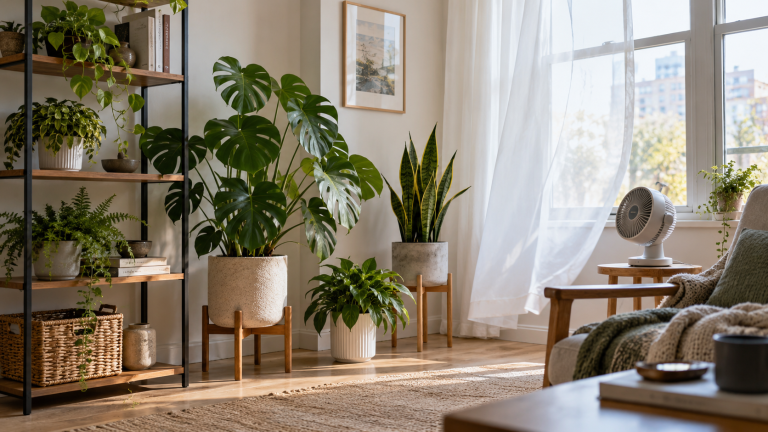
Environmental context helps explain why two similar plants can respond differently. Here, a bright bathroom can support different plants from a windowless one, and a warm kitchen shelf may still be too dark for active growth. Check the actual position of the leaves and root zone rather than relying on broad labels such as bright room, warm corner, or sheltered balcony. The more stable the surrounding conditions are, the easier it becomes to tell whether the specific care change was helpful. Nearby plants can shade one another, reduce airflow, or change how easy it is to water and inspect each pot. For a second checkpoint, use Why Airflow Matters Around Indoor Plants Without Creating Draft Stress to compare the response you see afterward with a care factor that has already been discussed on RootLuma. For the setup described here, the exact location should therefore be part of every follow-up check.
Watch What Happens Next
The plant’s next response is part of the diagnosis. Over the following checks, look for a slower rate of decline, normal drying or growth patterns, and fewer new symptoms rather than judging success by one old leaf. A photo taken from the same position once a week can make slow improvement much less difficult to recognize. New growth is particularly useful because it reflects conditions after the adjustment rather than before it. Room labels such as bright, warm, or humid are only rough descriptions; the exact plant position often matters more. Indoor conditions are highly local: a plant beside a window, under a vent, or behind a curtain can experience a different environment from one only a short distance away. Progress becomes easier to judge when the same indicators are checked at similar intervals.
Turn the Lesson Into a Repeatable Habit
For future care, walk through each room at different times of day and note where light and temperature are actually stable enough for a plant. Keep the routine short enough to repeat consistently and use it as a checkpoint rather than an automatic instruction to water, feed, move, or prune. In this particular care decision, short notes are most useful when they capture decisions, such as the date of repotting, feeding, moving, or a pest treatment. Consistency is valuable because it builds a baseline, but flexibility is what allows the maintenance routine to remain appropriate as conditions change. Seasonal daylight, heating, cooling, and furniture changes can alter a plant’s microclimate even when the pot never moves. The system should become easier to maintain over time, not more complicated with every new lesson.
Final Notes for Everyday Care
The most reliable long-term approach is not a perfect schedule but a dependable way to decide. Remember that room labels are less important than the specific conditions within each room, because two kitchens or bathrooms can have completely different light and airflow. Combine that principle with the clues you can actually observe, then let the plant’s next response confirm whether the adjustment was useful. A plant that is watched consistently gives you more useful information than one that is repeatedly adjusted without a stable baseline. That balance—steady basics, specific observations, and measured adjustments—is what turns general advice into useful everyday care. Room labels such as bright, warm, or humid are only rough descriptions; the exact plant position often matters more. The result is a more resilient routine that can adjust as plants, seasons, and spaces change.