
How to Create a Healthy Indoor Plant Corner at Home
A thoughtfully designed plant corner can make a room feel calmer, warmer, and more connected to nature. But a successful indoor garden involves more than grouping several attractive pots together. The healthiest plant displays combine good styling with practical growing conditions.
Start by choosing a location with appropriate natural light. Spend some time observing the area during different parts of the day. A corner that appears bright at noon may receive very little usable light in the morning or afternoon. Understanding how sunlight moves through the room will help you choose plants that naturally suit the space.
Bright indirect light works well for many popular houseplants. Areas near east-facing or filtered windows can often provide gentle light without exposing foliage to intense heat. If the space receives stronger direct sunlight, choose plants that tolerate those conditions or use a light curtain to soften the exposure.
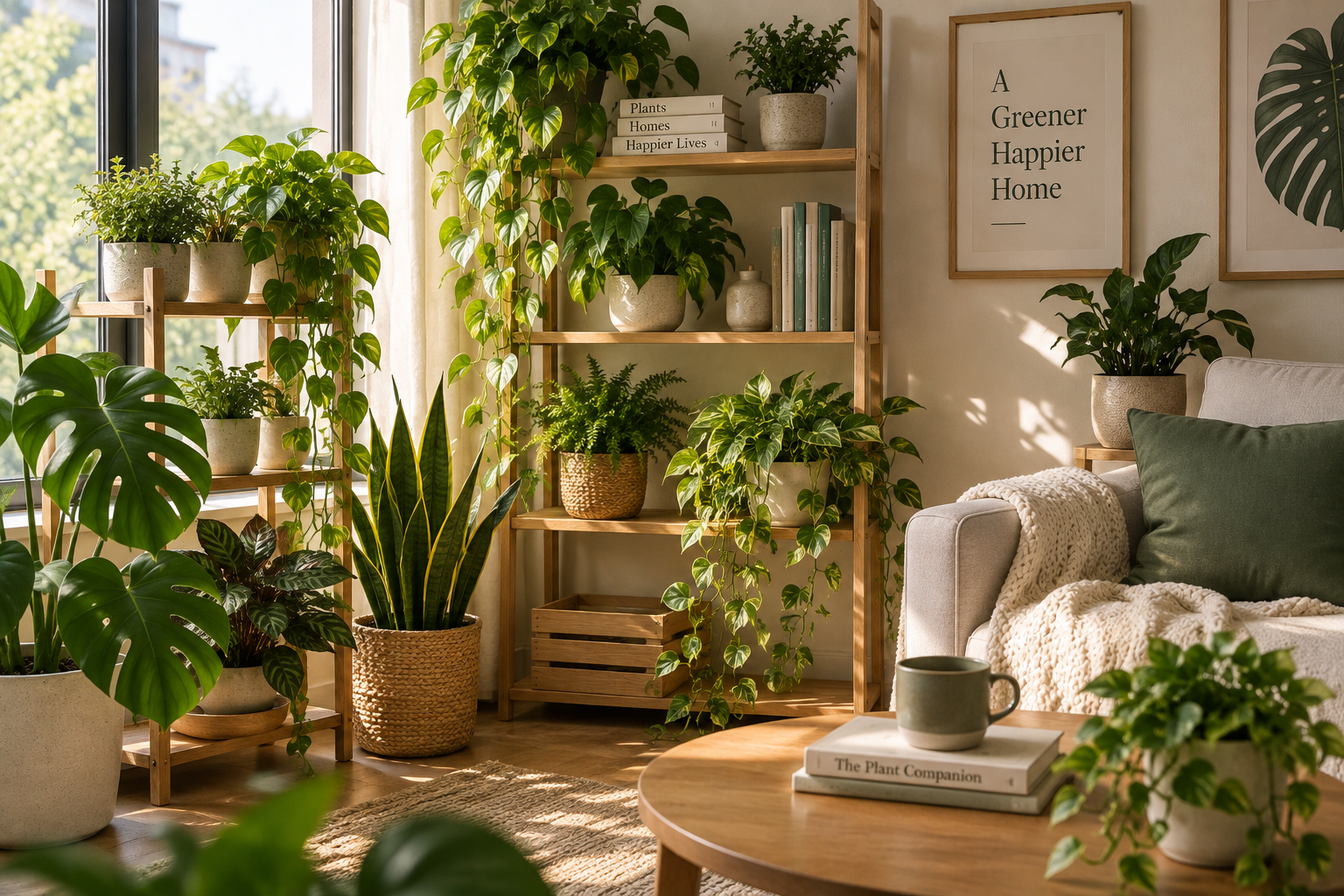
Once the location is chosen, create visual variety by using different heights. A tall floor plant can serve as an anchor, while medium-sized plants can sit on stands or tables. Trailing plants can soften shelves and add movement without taking up valuable floor space.
Avoid placing plants too closely together. Although a dense arrangement may initially look lush, overcrowding can reduce airflow and make it harder to inspect leaves, clean foliage, or notice pests. Leaving some open space between plants creates a more intentional appearance and makes maintenance easier.
Containers also influence both plant health and visual consistency. Pots should always provide adequate drainage, but their materials and colors can help unify the display. Ceramic pots, terracotta, woven baskets, and natural wood can create a warm and relaxed indoor atmosphere.
Watering becomes easier when plants with similar needs are grouped near one another. However, each pot should still be checked individually. The same room can contain different soil mixtures, pot sizes, and root systems, causing plants to dry at different rates.
Indoor conditions also change with the seasons. Heating, air conditioning, humidity, and changing sunlight can affect how frequently plants need water. Instead of relying on a fixed calendar, observe the soil and the plants themselves.
Finally, consider how the plant corner fits into everyday life. Keep walkways clear, make sure pots are easy to reach, and protect furniture with saucers or trays where necessary. A beautiful arrangement should still be practical to maintain.
The best indoor plant corners are not necessarily the largest or most elaborate. A few healthy plants arranged thoughtfully can transform an ordinary part of the home into a peaceful green space that feels natural, welcoming, and easy to care for.